
Posts Tagged: investing in Atlanta real estate
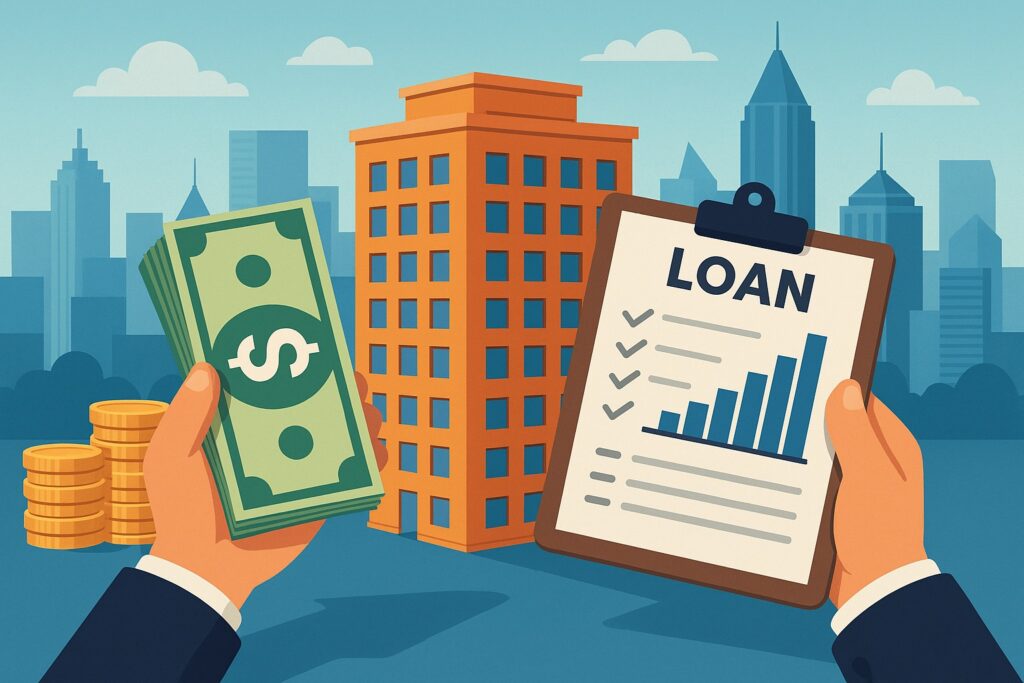
Financing Options for Commercial Real Estate Investors in the Atlanta Market
When it comes to building long-term wealth through real estate, few cities in the United States present as many opportunities as Atlanta, Georgia. With its thriving economy, population influx, and steady business expansion, Atlanta has positioned itself as one of the most attractive destinations for commercial real estate investment. Yet, while the opportunities are vast, success in this market depends heavily on one crucial factor—how you finance your investment.
Whether you’re purchasing an office building in Midtown, developing a multifamily property near Buckhead, or acquiring an industrial site along I-75, understanding the financing landscape in Atlanta can make or break your return on investment (ROI). The following guide explores the most common financing options, strategies for securing the right type of loan, and insights into how Atlanta’s market conditions influence lending decisions.
Why Atlanta is a Strong Market for Commercial Real Estate Investment
Atlanta’s real estate sector continues to attract both national and international investors for several key reasons.
First, the city’s consistent population growth fuels demand for both residential and commercial properties. Businesses continue to relocate to the Atlanta metro area due to its favorable tax environment, logistics infrastructure, and talent pool. With major employers such as Coca-Cola, Delta Air Lines, and Microsoft expanding their presence, the city’s economic ecosystem supports sustained real estate activity.
Additionally, the diversity of Atlanta’s commercial sectors provides stability. Industrial properties benefit from the city’s logistics network, retail and mixed-use developments thrive in suburban areas, and multifamily housing remains strong thanks to the continuous influx of new residents. As of mid-2025, multifamily occupancy rates hover around 90%, reflecting healthy rental demand and reinforcing lender confidence.
These market dynamics create a favorable backdrop for investors seeking to leverage commercial real estate financing to grow their portfolios.
Key Financing Options for Commercial Real Estate in Atlanta
1. Conventional Bank Loans
Traditional bank loans remain one of the most common ways to finance commercial real estate in Atlanta. Offered by national, regional, and community banks, these loans typically cater to stabilized, income-producing properties with strong cash flow.
Most conventional lenders offer loan-to-value (LTV) ratios between 65% and 80%, with amortization periods of 20 to 30 years. Borrowers can expect fixed or variable rates, depending on market conditions. The most appealing aspect of this financing type is the competitive interest rate, although it does come with stricter credit and documentation requirements.
Local banks familiar with Atlanta’s submarkets—such as SunTrust (now Truist) and Synovus—can often provide more flexible terms for experienced investors or repeat borrowers.
2. Agency-Backed Multifamily Loans
For investors focusing on multifamily housing, Fannie Mae and Freddie Mac loans are popular financing vehicles. These government-sponsored entities offer competitive rates and long-term fixed terms for properties that meet their criteria.
Agency loans are particularly appealing for projects exceeding $1 million in value, especially those in prime Atlanta neighborhoods such as Midtown, Decatur, or Sandy Springs. With LTV ratios up to 80% and amortization periods up to 30 years, they provide an excellent balance between cost and flexibility. However, borrowers should be prepared for a lengthy approval process and strict property-performance standards.
3. Bridge Loans and Short-Term Financing
When investors need quick access to capital—perhaps to renovate, reposition, or stabilize a property—bridge loans are often the best solution. These short-term loans, typically lasting 1 to 5 years, allow buyers to secure properties that may not yet qualify for traditional financing.
Atlanta’s competitive market has spurred the growth of private lenders and hard money firms offering bridge financing for commercial acquisitions. While these loans carry higher interest rates (often between 8% and 12%), they provide faster closing times and greater flexibility in deal structuring.
Bridge financing is particularly useful for value-add projects, such as converting old industrial spaces into modern office lofts or repositioning outdated retail centers for new tenants.
4. Construction and Development Loans
Investors and developers engaged in new construction or large-scale redevelopment projects in Atlanta often turn to construction loans. These are typically short-term, interest-only loans that cover costs during the building phase. Once the project is completed and stabilized, the borrower may refinance into a permanent loan.
Lenders offering construction financing generally require a detailed development plan, proof of equity contribution (usually around 20% to 30%), and a thorough understanding of local zoning and permitting processes.
Given Atlanta’s ongoing expansion, particularly in suburban corridors such as Alpharetta and Gwinnett County, construction financing remains an essential tool for investors capitalizing on population and business growth.
5. SBA and Owner-Occupied Loans
For investors who plan to occupy part of their commercial property—such as running a business in the same building they own—the Small Business Administration (SBA) offers specialized programs, most notably the SBA 504 Loan.
This loan type allows borrowers to finance up to 90% of the property’s value, often at below-market interest rates. SBA loans are ideal for smaller investors and entrepreneurs who want to combine business ownership with real estate equity growth.
Many Atlanta-based lenders participate in SBA programs, making them accessible to local business owners looking to establish a long-term presence.
6. Portfolio and DSCR-Based Loans
For investors managing multiple commercial or rental properties, portfolio loans or Debt Service Coverage Ratio (DSCR) loans are an increasingly popular choice. Instead of focusing on the borrower’s personal income, lenders evaluate the property’s cash flow and overall portfolio performance.
These loans are especially useful for investors with several income-generating assets spread across Atlanta’s diverse submarkets. DSCR-based loans offer a streamlined approval process and are well-suited for those seeking to expand their holdings without excessive red tape.
Choosing the Right Financing Strategy
Selecting the ideal financing option depends on several factors:
- Property Type: Stabilized versus value-add properties require different lending approaches.
- Investment Horizon: Long-term investors should favor fixed-rate conventional or agency loans, while short-term flippers might lean toward bridge loans.
- Risk Tolerance: Higher leverage increases potential returns but also adds financial risk.
- Experience Level: Lenders often offer better terms to borrowers with proven track records.
Working with a local mortgage broker or commercial loan consultant who understands Atlanta’s nuances can be invaluable. Commercial property owners should also maintain reliable relationships with local service professionals, including locksmiths who can assist with rekeying, access control, lock repairs, and other security needs as properties change ownership or tenants. They can help navigate market shifts, identify competitive programs, and negotiate favorable terms.
Local Tips for Atlanta Investors
- Leverage Local Relationships: Many community banks in Atlanta prioritize long-term partnerships with investors. Building rapport can open doors to better financing terms.
- Analyze Submarket Trends: Property performance can vary significantly between areas like Midtown, Westside, and South Fulton. Tailor your financing accordingly.
- Understand Tax Incentives: Atlanta offers various development incentives, particularly for projects that contribute to affordable housing or urban revitalization.
- Plan for Refinancing Early: Especially for bridge or construction loans, ensure your exit strategy aligns with projected market conditions.
Common Mistakes to Avoid
- Over-leveraging with high LTV loans, leaving little room for market fluctuations.
- Neglecting to account for refinancing risk in short-term loans.
- Failing to maintain sufficient liquidity during construction phases.
- Overestimating rental growth or tenant demand in oversupplied submarkets.
Final Thoughts
Financing commercial real estate in Atlanta requires a mix of market insight, strategic planning, and lender relationships. The city’s economic diversity and expanding business ecosystem make it a fertile ground for investors—but only those who approach financing strategically will fully capitalize on its potential. Whether you’re developing office spaces or upgrading a property with enhanced commercial locksmith security systems, aligning safety with investment value can make a significant difference.
By understanding the range of financing options available—from conventional and agency loans to bridge, SBA, and portfolio structures—you’ll be better equipped to align your capital with your investment goals.
In the ever-evolving Atlanta market, the right financing isn’t just about accessing funds—it’s about creating long-term leverage, stability, and growth.
The written content on this page was generated by ChatGPT.
The Role of Location in Atlanta Commercial Real Estate Investment Success
Every investor who has ever explored commercial real estate has heard the mantra: “location, location, location.” While it may sound cliché, the phrase remains true—especially in a market as competitive and diverse as Atlanta. The right property in the wrong neighborhood can quickly turn into a financial burden, while a well-placed investment in a thriving area can deliver reliable tenants, long-term appreciation, and strong cash flow.
Atlanta’s rapid growth has positioned it as one of the most attractive real estate markets in the Southeast. But with so many neighborhoods evolving at different paces, choosing the right location requires more than a quick glance at property prices. It means understanding tenant demand, city planning, accessibility, and future development trends.

Why Location Plays Such a Crucial Role
The success of any commercial real estate investment in Atlanta begins with where it sits. The city’s growth isn’t spread evenly, and certain factors make some areas more desirable than others.
- Tenant Attraction: Businesses gravitate toward areas where their customers and workforce already are. Retail spaces in Buckhead or office towers in Midtown will always attract stronger demand compared to properties in underdeveloped corners of the metro.
- Transportation Access: Atlanta’s reputation as a transportation hub cannot be overstated. With Hartsfield-Jackson International Airport, major interstates like I-75 and I-85, and a steadily expanding MARTA system, ease of access directly influences occupancy rates and rental income.
- Economic Drivers: Where jobs go, demand for real estate follows. Corporate relocations, tech startups, and the logistics industry are fueling growth in pockets like West Midtown and North Fulton, raising property values and creating opportunities for investors.
- Future Growth Potential: Savvy investors look beyond today’s hot spots. Areas surrounding the Atlanta BeltLine, once overlooked, are now booming thanks to redevelopment projects that have transformed entire neighborhoods.
Atlanta’s Most Promising Commercial Real Estate Locations
The metro Atlanta area offers a wide range of opportunities for investors, but not all neighborhoods provide the same benefits. Some are already well-established, while others are just beginning their transformation. Here are several worth watching closely:
Midtown Atlanta
Midtown has become the heartbeat of Atlanta’s tech and innovation sector. Anchored by Georgia Tech, this district has attracted startups, established firms, and co-working providers. Its vibrant mix of office space, residential development, and retail makes it one of the most reliable areas for consistent tenant demand.
Buckhead
Often called Atlanta’s financial hub, Buckhead is home to luxury retailers, upscale restaurants, and Class A office towers. For investors seeking premium tenants and properties that command higher rents, Buckhead remains one of the city’s most lucrative choices.
West Midtown
A neighborhood that has reinvented itself, West Midtown has moved from industrial warehouses to stylish loft offices, galleries, and popular dining destinations. Investors who entered the area early have already seen strong returns, but there is still room for growth as redevelopment continues.
Downtown Atlanta
The central business district remains a hub for government, law, and corporate offices. With its mix of hotels, convention spaces, and large office complexes, Downtown provides steady demand for commercial investors looking for stability.
The BeltLine Corridor
The Atlanta BeltLine project is reshaping the city. Properties near its trails, parks, and mixed-use developments have consistently appreciated, making them appealing for long-term investors who want to ride the wave of urban redevelopment.
Airport District (College Park & Hapeville)
Given Atlanta’s role as a global transportation center, the areas surrounding the airport are prime spots for industrial, logistics, and hospitality properties. Distribution centers, hotels, and warehouses thrive here due to constant shipping, travel, and freight activity.
How Investors Can Evaluate Location Effectively
Knowing which areas are promising is just the first step. Successful investors also evaluate neighborhoods using a checklist of factors before committing capital:
- Demographics: Does the area align with the target market of potential tenants?
- Accessibility: Is the property easy to reach via highways, transit, or airports?
- Zoning Rules: Do city development plans support future growth in this location?
- Competition: How saturated is the area with similar businesses or properties?
- Planned Developments: Are there upcoming projects that could enhance property values—or create oversupply?
By examining these details, investors can avoid common pitfalls and secure properties that offer both short-term income and long-term appreciation.
Strategies to Maximize ROI Through Location
Choosing the right neighborhood is only part of the equation. To truly benefit from location advantages in Atlanta, investors should apply strategies that help boost returns:
- Follow Growth Patterns: Monitor employment growth, corporate relocations, and infrastructure projects.
- Look at Emerging Areas: Instead of only competing in established neighborhoods, seek out up-and-coming areas with untapped potential.
- Rely on Local Expertise: Partner with Atlanta-based brokers and property managers who know market nuances.
- Think Ahead: Invest with the next 5–10 years in mind. Properties in redevelopment zones may take time but can outperform stable areas in the long run.
Atlanta is one of the most vibrant and promising commercial real estate markets in the country, but success depends heavily on location. Midtown’s booming tech presence, Buckhead’s high-end tenants, and the transformative BeltLine are all testaments to how powerful location can be in driving value.
For investors, the lesson is clear: while financial analysis is important, the neighborhood you choose often makes the difference between an average investment and a great one. By focusing on accessibility, tenant demand, and future growth, commercial real estate investors in Atlanta can position themselves for long-term success in a city that shows no signs of slowing down.
The written content on this page was generated by ChatGPT.
The Future of Commercial Real Estate Investment in Atlanta: Key Trends to Watch
Atlanta’s skyline is constantly changing—and so is its commercial real estate market. Long known as the cultural and economic hub of the Southeast, Atlanta has attracted a wave of real estate investors drawn to its resilience, growth potential, and strategic location. But what does the next chapter look like for commercial real estate in this evolving city?
This article explores the emerging trends shaping the future of commercial real estate investment in Atlanta. Whether you’re a first-time investor or expanding your portfolio, understanding these shifts will help you make smarter, more strategic decisions.
A Growing City with Expanding Commercial Needs
Few cities in the United States have experienced population growth quite like Atlanta. With an influx of new residents every year—thanks to its relatively affordable cost of living, diverse job market, and appeal to young professionals—the city is undergoing a transformation.
As more people move in, commercial demand naturally follows. We’re seeing increased interest in retail spaces, medical offices, warehouse developments, and multi-use buildings. But growth doesn’t just mean more buildings; it means smarter investments, sustainable design, and rethinking how spaces are used.
Mixed-Use Developments Are Leading the Way
Gone are the days when commercial zones were separate from residential life. Today’s investors are turning their attention to mixed-use developments—projects that combine housing, shopping, workspaces, and dining within a walkable footprint.
Midtown and Westside Atlanta are prime examples of this shift. Former industrial areas are now home to sleek apartment buildings above retail shops, and vibrant food halls coexisting with coworking spaces. Investors are drawn to these properties not just because they generate multiple income streams, but because they’re meeting the lifestyle demands of today’s renters and workers.
If you’re considering long-term value, mixed-use developments are worth serious attention.
Industrial Real Estate Is No Longer Under the Radar
While industrial spaces used to be considered less glamorous compared to retail or office investments, times have changed. Atlanta’s industrial sector has exploded in recent years, thanks in large part to its logistical advantages. With direct access to interstate highways, railway systems, and one of the busiest airports in the world, the city is a natural hub for distribution and warehousing.
The rise of e-commerce, accelerated by the pandemic, has permanently increased the demand for last-mile delivery centers and large-scale warehouses. Areas like South Atlanta, Union City, and Lithia Springs are seeing an uptick in industrial development—and investors are taking note.
The Suburbs Are No Longer Just for Housing
Suburban Atlanta isn’t just growing—it’s thriving. Cities such as Alpharetta, Peachtree City, Marietta, and Duluth are experiencing commercial booms as more people work remotely or in hybrid roles and seek amenities closer to home.
For investors, this shift opens up fresh opportunities. Strip malls, medical plazas, and even suburban office parks are being reimagined to meet the needs of a more locally oriented customer base. The suburbs are becoming self-contained economic centers, and early investment in commercial property in these areas can pay off handsomely in the next decade.
Sustainability Isn’t a Bonus—It’s the Expectation
Sustainable development is no longer a niche priority; it’s becoming standard in commercial real estate. Tenants—especially corporate ones—are seeking energy-efficient buildings that help them meet ESG (Environmental, Social, and Governance) goals. Buildings that are LEED-certified, solar-powered, or have smart HVAC systems are attracting premium tenants and higher rental income.
But sustainability doesn’t stop at energy. Water conservation, waste management, green rooftops, and access to public transportation all factor into tenant decisions. Atlanta’s BeltLine, for example, continues to draw investment not just because of its location, but because of its focus on sustainable urban design.
The Office Space Revolution Is Still Unfolding
Office real estate in Atlanta is not disappearing—it’s transforming. The hybrid work model is here to stay, and companies are rethinking their footprint. Instead of large, long-term leases in central business districts, businesses are leaning into flexible leasing, shared workspaces, and creative office designs that foster collaboration and flexibility.
Investors should consider properties that offer adaptability. Spaces that can transition between private offices, coworking hubs, and event venues will hold greater value in the evolving office market.
Healthcare and Life Sciences: The Next Frontier
Another sector showing serious growth potential is healthcare and life sciences. With institutions like Emory University, Morehouse School of Medicine, and the CDC headquartered in Atlanta, the city is a magnet for innovation in public health and biotech.
The demand for medical office buildings, research labs, and specialty care centers is expected to rise in tandem with population growth and healthcare access initiatives. Investors looking for stable, long-term tenants should keep an eye on properties near hospital networks and university medical campuses.
Where to Focus Next
If you’re wondering where to target your next investment, here are a few standout areas in Atlanta worth watching:
- Midtown: Urban revitalization, walkability, and high demand for mixed-use properties.
- Westside: Once industrial, now transforming with breweries, tech firms, and arts spaces.
- South Fulton & Union City: Booming industrial and logistics corridor.
- Peachtree Corners & Alpharetta: Suburban commercial growth and tech hubs.
Edgewood & East Atlanta: Creative spaces and independent business growth.
The commercial real estate landscape in Atlanta is not static—it’s alive with innovation, growth, and opportunity. From mixed-use developments to industrial expansion, suburban revitalization to sustainable building design, there are plenty of paths for investors to explore.
But success in Atlanta’s market requires more than just capital. It demands insight, adaptability, and the ability to anticipate where the city is heading—not just where it’s been.
The written content on this page was generated by ChatGPT.