
Posts in Category: Commercial Real Estate Investment
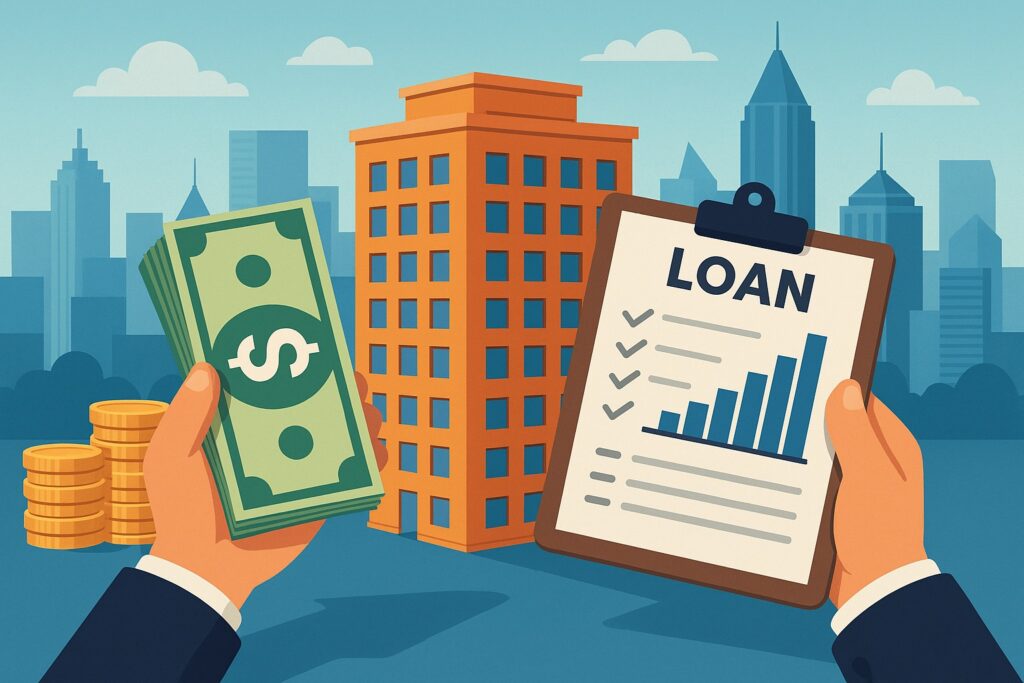
Financing Options for Commercial Real Estate Investors in the Atlanta Market
When it comes to building long-term wealth through real estate, few cities in the United States present as many opportunities as Atlanta, Georgia. With its thriving economy, population influx, and steady business expansion, Atlanta has positioned itself as one of the most attractive destinations for commercial real estate investment. Yet, while the opportunities are vast, success in this market depends heavily on one crucial factor—how you finance your investment.
Whether you’re purchasing an office building in Midtown, developing a multifamily property near Buckhead, or acquiring an industrial site along I-75, understanding the financing landscape in Atlanta can make or break your return on investment (ROI). The following guide explores the most common financing options, strategies for securing the right type of loan, and insights into how Atlanta’s market conditions influence lending decisions.
Why Atlanta is a Strong Market for Commercial Real Estate Investment
Atlanta’s real estate sector continues to attract both national and international investors for several key reasons.
First, the city’s consistent population growth fuels demand for both residential and commercial properties. Businesses continue to relocate to the Atlanta metro area due to its favorable tax environment, logistics infrastructure, and talent pool. With major employers such as Coca-Cola, Delta Air Lines, and Microsoft expanding their presence, the city’s economic ecosystem supports sustained real estate activity.
Additionally, the diversity of Atlanta’s commercial sectors provides stability. Industrial properties benefit from the city’s logistics network, retail and mixed-use developments thrive in suburban areas, and multifamily housing remains strong thanks to the continuous influx of new residents. As of mid-2025, multifamily occupancy rates hover around 90%, reflecting healthy rental demand and reinforcing lender confidence.
These market dynamics create a favorable backdrop for investors seeking to leverage commercial real estate financing to grow their portfolios.
Key Financing Options for Commercial Real Estate in Atlanta
1. Conventional Bank Loans
Traditional bank loans remain one of the most common ways to finance commercial real estate in Atlanta. Offered by national, regional, and community banks, these loans typically cater to stabilized, income-producing properties with strong cash flow.
Most conventional lenders offer loan-to-value (LTV) ratios between 65% and 80%, with amortization periods of 20 to 30 years. Borrowers can expect fixed or variable rates, depending on market conditions. The most appealing aspect of this financing type is the competitive interest rate, although it does come with stricter credit and documentation requirements.
Local banks familiar with Atlanta’s submarkets—such as SunTrust (now Truist) and Synovus—can often provide more flexible terms for experienced investors or repeat borrowers.
2. Agency-Backed Multifamily Loans
For investors focusing on multifamily housing, Fannie Mae and Freddie Mac loans are popular financing vehicles. These government-sponsored entities offer competitive rates and long-term fixed terms for properties that meet their criteria.
Agency loans are particularly appealing for projects exceeding $1 million in value, especially those in prime Atlanta neighborhoods such as Midtown, Decatur, or Sandy Springs. With LTV ratios up to 80% and amortization periods up to 30 years, they provide an excellent balance between cost and flexibility. However, borrowers should be prepared for a lengthy approval process and strict property-performance standards.
3. Bridge Loans and Short-Term Financing
When investors need quick access to capital—perhaps to renovate, reposition, or stabilize a property—bridge loans are often the best solution. These short-term loans, typically lasting 1 to 5 years, allow buyers to secure properties that may not yet qualify for traditional financing.
Atlanta’s competitive market has spurred the growth of private lenders and hard money firms offering bridge financing for commercial acquisitions. While these loans carry higher interest rates (often between 8% and 12%), they provide faster closing times and greater flexibility in deal structuring.
Bridge financing is particularly useful for value-add projects, such as converting old industrial spaces into modern office lofts or repositioning outdated retail centers for new tenants.
4. Construction and Development Loans
Investors and developers engaged in new construction or large-scale redevelopment projects in Atlanta often turn to construction loans. These are typically short-term, interest-only loans that cover costs during the building phase. Once the project is completed and stabilized, the borrower may refinance into a permanent loan.
Lenders offering construction financing generally require a detailed development plan, proof of equity contribution (usually around 20% to 30%), and a thorough understanding of local zoning and permitting processes.
Given Atlanta’s ongoing expansion, particularly in suburban corridors such as Alpharetta and Gwinnett County, construction financing remains an essential tool for investors capitalizing on population and business growth.
5. SBA and Owner-Occupied Loans
For investors who plan to occupy part of their commercial property—such as running a business in the same building they own—the Small Business Administration (SBA) offers specialized programs, most notably the SBA 504 Loan.
This loan type allows borrowers to finance up to 90% of the property’s value, often at below-market interest rates. SBA loans are ideal for smaller investors and entrepreneurs who want to combine business ownership with real estate equity growth.
Many Atlanta-based lenders participate in SBA programs, making them accessible to local business owners looking to establish a long-term presence.
6. Portfolio and DSCR-Based Loans
For investors managing multiple commercial or rental properties, portfolio loans or Debt Service Coverage Ratio (DSCR) loans are an increasingly popular choice. Instead of focusing on the borrower’s personal income, lenders evaluate the property’s cash flow and overall portfolio performance.
These loans are especially useful for investors with several income-generating assets spread across Atlanta’s diverse submarkets. DSCR-based loans offer a streamlined approval process and are well-suited for those seeking to expand their holdings without excessive red tape.
Choosing the Right Financing Strategy
Selecting the ideal financing option depends on several factors:
- Property Type: Stabilized versus value-add properties require different lending approaches.
- Investment Horizon: Long-term investors should favor fixed-rate conventional or agency loans, while short-term flippers might lean toward bridge loans.
- Risk Tolerance: Higher leverage increases potential returns but also adds financial risk.
- Experience Level: Lenders often offer better terms to borrowers with proven track records.
Working with a local mortgage broker or commercial loan consultant who understands Atlanta’s nuances can be invaluable. Commercial property owners should also maintain reliable relationships with local service professionals, including locksmiths who can assist with rekeying, access control, lock repairs, and other security needs as properties change ownership or tenants. They can help navigate market shifts, identify competitive programs, and negotiate favorable terms.
Local Tips for Atlanta Investors
- Leverage Local Relationships: Many community banks in Atlanta prioritize long-term partnerships with investors. Building rapport can open doors to better financing terms.
- Analyze Submarket Trends: Property performance can vary significantly between areas like Midtown, Westside, and South Fulton. Tailor your financing accordingly.
- Understand Tax Incentives: Atlanta offers various development incentives, particularly for projects that contribute to affordable housing or urban revitalization.
- Plan for Refinancing Early: Especially for bridge or construction loans, ensure your exit strategy aligns with projected market conditions.
Common Mistakes to Avoid
- Over-leveraging with high LTV loans, leaving little room for market fluctuations.
- Neglecting to account for refinancing risk in short-term loans.
- Failing to maintain sufficient liquidity during construction phases.
- Overestimating rental growth or tenant demand in oversupplied submarkets.
Final Thoughts
Financing commercial real estate in Atlanta requires a mix of market insight, strategic planning, and lender relationships. The city’s economic diversity and expanding business ecosystem make it a fertile ground for investors—but only those who approach financing strategically will fully capitalize on its potential. Whether you’re developing office spaces or upgrading a property with enhanced commercial locksmith security systems, aligning safety with investment value can make a significant difference.
By understanding the range of financing options available—from conventional and agency loans to bridge, SBA, and portfolio structures—you’ll be better equipped to align your capital with your investment goals.
In the ever-evolving Atlanta market, the right financing isn’t just about accessing funds—it’s about creating long-term leverage, stability, and growth.
The written content on this page was generated by ChatGPT.
How to Analyze Market Data for Smarter Commercial Real Estate Investment in Atlanta
If you’re building a commercial real-estate investment strategy in the Atlanta region, simply relying on intuition or broad “sunbelt growth” narratives isn’t enough. Smart investing demands that you dig into market data, interpret it carefully, and map your findings into a clear investment framework. In this guide, we’ll walk you through how to approach this task in Atlanta: what to look for, how to interpret it, and how to turn good data into better decisions.

Why Atlanta is Worth Deeper Market Study
Atlanta isn’t just another growing metro—it presents a mix of growth drivers, shifting commercial-property dynamics, and distinct sub-markets. Over recent years the region has seen influxes of population, business relocation, and infrastructure investment. But with these positive signals come complexity: different property types (industrial, office, retail, specialist) are reacting very differently to the same macro forces. One key takeaway: you must understand which sector and which part of the city you are analyzing, because metro-wide averages often mask important local divergences.
Step 1: Define Your Investment Focus — Sector + Sub-Market
Before diving into spreadsheets, get clarity on your target.
• Property Type
Are you looking at industrial/logistics warehouses, suburban office parks, core-retail nodes, or niche assets like data-centers or life-science flex? Each behaves differently.
• Atlanta Sub-Zones
Within Metropolitan Atlanta you’ll find major differences:
- The I-85 corridor, North Fulton, Gwinnett County → strong industrial logistics plays.
- Buckhead, Midtown, Central Perimeter → high-end office & prime retail.
- Emerging zones (Westside, East Atlanta, South Atlanta) → opportunities but also elevated risk.
Because of these differences, your data gathering must be specific to the type and area you’ll invest in—not just generic “Atlanta market” data.
Step 2: Collect the Right Metrics
Here are the core data points you’ll want. The value lies in both the metric and its trend over time.
1. Vacancy & Availability Rates
Vacancy is the percentage of space that’s unoccupied; availability adds space ready for occupancy or lease. High or rising numbers tend to put downward pressure on rents and asset values.
2. Rental/Asking Rent Levels & Growth
What are tenants currently paying? How fast are those rents rising (or falling)? This gives you a sense of upside potential.
3. Construction Pipeline and Recent Deliveries
New buildings coming to market add supply; if demand isn’t absorbing them, vacancy and rental growth may suffer.
4. Absorption / Leasing Activity
How much space is being leased or occupied per quarter net of move-outs? Strong absorption offsets new supply pressure.
5. Sales Prices, Cap Rates, Time on Market
If you intend to acquire, you’ll want to know what recent buyers are paying and what return they are expecting (cap rate). Also track how quickly properties are selling.
6. Macroeconomic & Demographic Tailwinds
Population growth, job creation, business relocations, infrastructure expansions—these are the undercurrents that drive demand over the medium and long term.
Step 3: Interpret the Numbers — Ask the Right Questions
Data alone isn’t enough—interpretation is what unlocks value.
- If vacancy is increasing, are rents still rising? That may suggest either tenant demand is resilient or supply constraints are masking softness.
- Where is the new construction pipeline, and will it swamp demand in the short term? For example, if a large industrial park is coming online in a sub-market with weak absorption, you may see downward pressure.
- Are there diverging trends within Atlanta sub-markets? The “metro average” may hide pockets of much stronger or weaker performance.
- What cap-rate movement is implied by sales? If cap rates are widening (prices dropping relative to income), that suggests risk perceptions are rising.
- How tightly is the asset class tied to macro factors like interest rates or remote-work trends (for office)? Being aware of broader headwinds is critical.
Step 4: Build Investment Scenarios Based on Data
Once you’ve collected and interpreted your data, it’s time to put it into a practical framework.
- Estimate Gross Income = (Market asking rent × Occupancy rate) × Building size
- Estimate Operating Expenses (taxes, insurance, management, maintenance, vacancy allowance)
- Derive Net Operating Income (NOI) = Gross Income – Operating Expenses
- Apply a reasonable cap rate (based on recent sales & your target return) ⇒ Value = NOI ÷ Cap Rate
- Create stress scenarios: What if vacancy increases 2-3 %? What if rent growth slows by half? What if cap rates widen by 0.5-1 %?
- Plan your exit strategy: When do you sell, and under what assumptions? How sensitive is value to adverse changes in vacancy, rent growth or cap rate?
Step 5: What the Current Atlanta Signals are Telling Us
Here are some of the key signals emerging in Atlanta right now (note: use them as starting points, verify with latest data).
✅ Areas of Opportunity
- Industrial/logistics continues to show strong demand in Atlanta due to population growth and distribution infrastructure needs.
- Retail (in well-located, quality assets) is showing tight vacancy and rent growth, especially in prime sub-markets.
- Niche assets (e.g., data centres) may benefit from less crowded competition and high barriers to entry.
⚠️ Areas to Approach Carefully
- Office markets (especially older Class B stock or sub-markets with weak tenant demand) show elevated vacancy and delayed recovery.
- Sub-markets where construction supply is heavy and absorption weak—if you invest there, your assumptions must account for risk.
Step 6: Data Sources and Tools to Use
- Commercial real-estate research from local firms covering Atlanta by property type.
- Public indices tracking CRE trends (employment data, leasing trends, etc.).
- Broker-and-owner market snapshots for specific sub-markets.
- Database platforms for sales comparables, lease comps, cap-rate history.
- On-the-ground brokerage interviews: local nuance often uncooked by broader reports.
Final Thoughts
Successful commercial real-estate investing in the Atlanta market depends less on catchy slogans and more on rigorous data work. By defining your focus (sector + sub-market), gathering the right metrics, asking insightful questions, and building data-driven investment scenarios, you position yourself to identify real opportunities—and avoid hidden pitfalls.
Atlanta offers compelling prospects—but only for investors who dig beneath the surface. Let the data guide you, not just the hype.
The written content on this page was generated by ChatGPT.
Leasing Strategies That Maximize Profit for Atlanta Commercial Property Owners
Atlanta’s commercial real estate market has been on an impressive trajectory, drawing investors from across the country. With the city’s rapid economic expansion, diverse business environment, and increasing demand for retail, office, and industrial spaces, property owners are in a strong position to generate consistent returns. Yet owning a prime location is only one part of the equation. The real profitability comes down to how leases are structured, negotiated, and managed over time. In addition, maintaining strong commercial security measures can help protect valuable assets, reduce risks, and create a safer environment for tenants, further enhancing the long-term value and appeal of a property.
For commercial property owners in Atlanta, understanding the nuances of leasing strategies can mean the difference between average income and maximum profit. Below, we’ll explore approaches that help boost rental yields, strengthen tenant relationships, and create long-term stability in one of the Southeast’s fastest-growing real estate markets.

Why Leasing Strategies Carry So Much Weight in Atlanta
Atlanta is no longer seen as just a transportation hub—it’s a city defined by a booming tech sector, an expanding film industry, and a growing financial services presence. These industries are fueling demand for different types of commercial space, from coworking offices in Midtown to large warehouses near Hartsfield-Jackson International Airport.
However, demand alone doesn’t guarantee high returns. A property might sit vacant for months or struggle with turnover if the lease terms don’t appeal to tenants or protect the landlord’s interests. Crafting a smart leasing strategy ensures stable cash flow while positioning the property to appreciate in value over time.
Choosing the Right Lease Structure
The lease type you choose often dictates both your expenses and your long-term profit margins. In Atlanta, where commercial properties serve a diverse tenant base, understanding different lease formats is essential.
- Triple Net Lease (NNN): This arrangement places responsibility for taxes, insurance, and maintenance on the tenant. It provides landlords with steady income and reduced financial risk, making it popular for suburban retail centers and standalone properties.
- Gross Lease: In this model, the landlord covers all operating costs. While it simplifies things for tenants, landlords must carefully calculate rent to ensure profitability. This format often works best for smaller businesses in Atlanta’s office corridors.
- Modified Gross Lease: A middle ground that splits expenses between landlord and tenant. Many Atlanta office towers use this approach to remain flexible and competitive.
Each structure has its advantages, but choosing the right one depends on the property type, the neighborhood, and the kind of tenants being targeted.
Setting Competitive Rental Pricing
Pricing is where many property owners either capture opportunity or lose ground. Charging too much can push tenants away, while undervaluing rent leaves money on the table.
Atlanta’s real estate market varies by neighborhood, so benchmarking against comparable properties is critical. For instance, office space in Buckhead commands higher rates than similar space in South Fulton, while retail properties near the BeltLine attract premium pricing due to foot traffic.
Smart owners also incorporate rent escalations into long-term leases. Even modest increases of 2–3% annually protect against inflation and rising property costs. Over time, this strategy significantly boosts ROI without constantly renegotiating.
Retaining Tenants for Long-Term Stability
Tenant turnover can quickly erode profits. Lost rent, marketing costs, and property downtime add up fast. Successful Atlanta property owners focus heavily on tenant retention by:
- Signing longer leases with renewal options.
- Offering incentives for established businesses that show growth potential.
- Providing flexible expansion clauses so tenants can scale without leaving.
Industries like healthcare, logistics, and technology are particularly strong in Atlanta right now. Building relationships with tenants in these sectors can anchor a property for years.
The Power of Property Upgrades
The physical condition of a property plays a huge role in leasing success. Tenants are willing to pay more for modern, well-maintained spaces that enhance their brand and employee experience.
- Technology Upgrades: High-speed internet, smart building features, and coworking-friendly layouts attract younger companies and startups. Adding security enhancements like an access control system not only increases safety but also appeals to businesses that prioritize protecting employees, assets, and data.
- Sustainability Features: Energy-efficient lighting, improved HVAC systems, and green certifications can command higher rent and appeal to corporate tenants focused on ESG.
- Aesthetic Improvements: Fresh interiors, better signage, and inviting lobbies make a strong impression, especially in competitive markets like Midtown.
Even relatively small improvements can translate into higher rental rates and faster lease signings.
Leveraging Professional Property Management
Managing a commercial property in Atlanta requires time, market expertise, and tenant relationship skills. Many owners maximize profit by working with property management firms.
These professionals handle lease negotiations, ensure compliance with city regulations, oversee maintenance, and market vacant spaces. While management fees are an added expense, the increase in tenant satisfaction and occupancy rates often outweighs the cost.
Building Strong Tenant Relationships
A lease might begin on paper, but long-term profitability relies on ongoing tenant satisfaction. Property owners who maintain open communication and invest in strong relationships often see higher renewal rates.
Simple steps like responding quickly to repair requests, offering improvement allowances, or hosting networking events in multi-tenant spaces can go a long way. In competitive districts like West Midtown or the Old Fourth Ward, tenants are less likely to move if they feel valued.
Staying Ahead of Market Trends
Finally, successful commercial property owners keep an eye on how Atlanta’s market is shifting. For example:
- Remote Work Impact: Some companies are downsizing office footprints, while others are embracing flexible workspaces.
- Industrial Growth: The rise of e-commerce continues to fuel demand for warehouses and logistics hubs around Atlanta’s airport.
- Urban Expansion: As the BeltLine expands, surrounding neighborhoods are transforming into commercial hotspots.
By staying informed, landlords can adjust lease terms and marketing strategies before the competition.
Owning commercial real estate in Atlanta is a powerful wealth-building opportunity, but the profit lies in the details. Leasing strategies—whether through smart pricing, strong tenant relationships, carefully chosen lease structures, or ensuring strong commercial security—are what separate average landlords from highly successful investors.
As Atlanta continues to grow, property owners who adapt their leasing approach to evolving market trends will be positioned to enjoy stronger, more reliable returns. The right strategy not only maximizes today’s rental income but also sets the stage for long-term appreciation and financial stability.
The written content on this page was generated by ChatGPT.
The Role of Location in Atlanta Commercial Real Estate Investment Success
Every investor who has ever explored commercial real estate has heard the mantra: “location, location, location.” While it may sound cliché, the phrase remains true—especially in a market as competitive and diverse as Atlanta. The right property in the wrong neighborhood can quickly turn into a financial burden, while a well-placed investment in a thriving area can deliver reliable tenants, long-term appreciation, and strong cash flow.
Atlanta’s rapid growth has positioned it as one of the most attractive real estate markets in the Southeast. But with so many neighborhoods evolving at different paces, choosing the right location requires more than a quick glance at property prices. It means understanding tenant demand, city planning, accessibility, and future development trends.

Why Location Plays Such a Crucial Role
The success of any commercial real estate investment in Atlanta begins with where it sits. The city’s growth isn’t spread evenly, and certain factors make some areas more desirable than others.
- Tenant Attraction: Businesses gravitate toward areas where their customers and workforce already are. Retail spaces in Buckhead or office towers in Midtown will always attract stronger demand compared to properties in underdeveloped corners of the metro.
- Transportation Access: Atlanta’s reputation as a transportation hub cannot be overstated. With Hartsfield-Jackson International Airport, major interstates like I-75 and I-85, and a steadily expanding MARTA system, ease of access directly influences occupancy rates and rental income.
- Economic Drivers: Where jobs go, demand for real estate follows. Corporate relocations, tech startups, and the logistics industry are fueling growth in pockets like West Midtown and North Fulton, raising property values and creating opportunities for investors.
- Future Growth Potential: Savvy investors look beyond today’s hot spots. Areas surrounding the Atlanta BeltLine, once overlooked, are now booming thanks to redevelopment projects that have transformed entire neighborhoods.
Atlanta’s Most Promising Commercial Real Estate Locations
The metro Atlanta area offers a wide range of opportunities for investors, but not all neighborhoods provide the same benefits. Some are already well-established, while others are just beginning their transformation. Here are several worth watching closely:
Midtown Atlanta
Midtown has become the heartbeat of Atlanta’s tech and innovation sector. Anchored by Georgia Tech, this district has attracted startups, established firms, and co-working providers. Its vibrant mix of office space, residential development, and retail makes it one of the most reliable areas for consistent tenant demand.
Buckhead
Often called Atlanta’s financial hub, Buckhead is home to luxury retailers, upscale restaurants, and Class A office towers. For investors seeking premium tenants and properties that command higher rents, Buckhead remains one of the city’s most lucrative choices.
West Midtown
A neighborhood that has reinvented itself, West Midtown has moved from industrial warehouses to stylish loft offices, galleries, and popular dining destinations. Investors who entered the area early have already seen strong returns, but there is still room for growth as redevelopment continues.
Downtown Atlanta
The central business district remains a hub for government, law, and corporate offices. With its mix of hotels, convention spaces, and large office complexes, Downtown provides steady demand for commercial investors looking for stability.
The BeltLine Corridor
The Atlanta BeltLine project is reshaping the city. Properties near its trails, parks, and mixed-use developments have consistently appreciated, making them appealing for long-term investors who want to ride the wave of urban redevelopment.
Airport District (College Park & Hapeville)
Given Atlanta’s role as a global transportation center, the areas surrounding the airport are prime spots for industrial, logistics, and hospitality properties. Distribution centers, hotels, and warehouses thrive here due to constant shipping, travel, and freight activity.
How Investors Can Evaluate Location Effectively
Knowing which areas are promising is just the first step. Successful investors also evaluate neighborhoods using a checklist of factors before committing capital:
- Demographics: Does the area align with the target market of potential tenants?
- Accessibility: Is the property easy to reach via highways, transit, or airports?
- Zoning Rules: Do city development plans support future growth in this location?
- Competition: How saturated is the area with similar businesses or properties?
- Planned Developments: Are there upcoming projects that could enhance property values—or create oversupply?
By examining these details, investors can avoid common pitfalls and secure properties that offer both short-term income and long-term appreciation.
Strategies to Maximize ROI Through Location
Choosing the right neighborhood is only part of the equation. To truly benefit from location advantages in Atlanta, investors should apply strategies that help boost returns:
- Follow Growth Patterns: Monitor employment growth, corporate relocations, and infrastructure projects.
- Look at Emerging Areas: Instead of only competing in established neighborhoods, seek out up-and-coming areas with untapped potential.
- Rely on Local Expertise: Partner with Atlanta-based brokers and property managers who know market nuances.
- Think Ahead: Invest with the next 5–10 years in mind. Properties in redevelopment zones may take time but can outperform stable areas in the long run.
Atlanta is one of the most vibrant and promising commercial real estate markets in the country, but success depends heavily on location. Midtown’s booming tech presence, Buckhead’s high-end tenants, and the transformative BeltLine are all testaments to how powerful location can be in driving value.
For investors, the lesson is clear: while financial analysis is important, the neighborhood you choose often makes the difference between an average investment and a great one. By focusing on accessibility, tenant demand, and future growth, commercial real estate investors in Atlanta can position themselves for long-term success in a city that shows no signs of slowing down.
The written content on this page was generated by ChatGPT.
How to Build a Diversified Commercial Real Estate Portfolio in Atlanta
Atlanta has emerged as one of the Southeast’s most attractive markets for commercial real estate investment. The city’s rapid population growth, robust transportation network, and expanding tech and logistics sectors have fueled demand for various types of properties. But success in this landscape requires more than jumping on the latest trend. Investors who seek long-term gains must build a portfolio that withstands market shifts. That starts with diversification.
In this article, we explore actionable strategies to develop a well-rounded commercial real estate portfolio in Atlanta—one that balances returns with stability.
Why Diversification Should Be Your Cornerstone
Commercial real estate carries high reward potential, but it also comes with risks. Putting all your capital into one asset type or neighborhood can lead to heavy losses if that segment underperforms. Diversifying across different property types, locations, and lease structures acts as a buffer.
For instance, if retail spaces see reduced foot traffic, your industrial or multifamily assets may still produce steady income. A diversified approach spreads risk, cushions volatility, and opens up multiple income streams.
Know Atlanta’s Commercial Property Segments
Before buying any property, a deep understanding of the local market is key. Atlanta isn’t one homogenous landscape; it’s made up of submarkets that behave differently based on geography and economic drivers.
Here are the primary sectors to consider:
Office: High interest remains in Midtown and Buckhead, though remote work has altered demand patterns. Adaptive reuse projects in the core are gaining traction.
Industrial: With proximity to Hartsfield-Jackson Airport and a strong highway system, logistics and warehouse spaces are seeing record-low vacancy rates.
Retail: Although this sector took a hit during the pandemic, locations near walkable neighborhoods like Inman Park and Virginia-Highland are rebounding.
Multifamily: Rental housing remains in high demand, especially in areas near universities and BeltLine developments.
Mixed-Use: Developments that combine residential, office, and retail components continue to grow, particularly in urban renewal zones.
Set Your Investment Intentions Early
Defining your goals early on will influence everything from your financing structure to the types of assets you pursue. Ask yourself:
Are you seeking consistent cash flow or long-term appreciation?
Do you have time and expertise to actively manage properties?
What is your comfort level with risk?
Someone focused on passive income might favor triple-net lease retail assets, while an investor chasing value appreciation may prefer repositioning older industrial buildings.
Diversify by Asset Class
To create a resilient portfolio, consider spreading your investment across multiple property categories. Each has unique risk profiles and growth cycles.
Office Buildings: Long-term leases and higher rents offer stability. Target redeveloped spaces in areas with tech-driven tenants.
Warehouses and Distribution Centers: These assets offer low overhead and strong tenant demand. The Fulton Industrial District is a hotspot.
Neighborhood Retail: Strip centers with a mix of service-based tenants tend to perform well, especially in dense suburban areas.
Small Apartment Complexes: Atlanta’s job market attracts renters. Class B and C properties in transitioning neighborhoods offer good cap rates.
Geographic Diversification Within the Metro
Don’t limit your investments to one ZIP code. Instead, broaden your reach to include various Atlanta submarkets. Each responds differently to economic trends.
Midtown: Urban core with strong demand for mixed-use and Class A office.
West Midtown: Known for industrial-to-loft conversions and creative spaces.
South Fulton: Home to major logistics centers.
Decatur: Offers steady appreciation and community-oriented retail.
Gwinnett and Cobb Counties: Suburban markets with solid population growth and family-driven rental demand.
Tenant Mix and Lease Variability
An often-overlooked dimension of diversification is the makeup of your tenant roster and lease terms. A portfolio that includes a mix of national retailers, local service providers, and industrial tenants spreads exposure.
Long-term leases with annual rent escalations offer stability, while shorter-term leases provide flexibility in rising markets. Consider including:
Triple Net Leases (NNN) for predictable income
Multi-tenant office or retail for diversified cash flow
Industrial tenants with long-term logistics contracts
Include Passive Investment Vehicles
If managing physical properties feels overwhelming or you’re looking to scale quickly, explore alternative entry points:
REITs (Real Estate Investment Trusts) allow you to invest in commercial portfolios without ownership responsibilities.
Real Estate Syndications let you pool funds with others to acquire large-scale assets, offering partial ownership and passive income.
Private Equity CRE Funds offer exposure to institutional-grade developments, though with higher entry points.
Revisit and Realign Regularly
Commercial real estate is not a “set it and forget it” investment. Markets evolve, interest rates shift, and tenant needs change. A healthy portfolio requires periodic review.
Track key performance indicators like:
Net Operating Income (NOI)
Occupancy and turnover rates
Maintenance costs vs. rental growth
Submarket economic drivers
If one property class underperforms or market fundamentals shift, be ready to pivot. Consider selling underperforming assets and reinvesting in emerging sectors or markets.
A Long-Term Vision for Atlanta CRE
Atlanta offers investors an unparalleled blend of opportunity and diversity across its commercial real estate sectors. From urban revitalization projects to booming logistics hubs, the city’s market conditions support a range of investment styles.
The key to long-term success lies in thoughtful diversification. Spread your risk, align with growth trends, and be proactive in portfolio management. With a balanced approach, your commercial real estate investments in Atlanta can deliver strong returns for years to come.
The written content on this page was generated by ChatGPT.
Retail vs. Industrial: Where to Invest in Atlanta’s Commercial Property Market
Atlanta’s rapid population growth, robust transportation network, and thriving business ecosystem have positioned it as one of the most dynamic commercial real estate markets in the U.S. For investors, the city presents a wealth of opportunity—but deciding where to place your money often comes down to choosing the right property type.
Two of the most talked-about asset classes in Atlanta’s real estate landscape are retail and industrial properties. While both offer the potential for solid returns, they serve very different purposes and come with unique considerations. In this article, we explore the characteristics of each, how they fit into Atlanta’s evolving economy, and which may be a better choice depending on your investment strategy.
Atlanta’s Real Estate Climate: A Snapshot
In recent years, Atlanta has become a magnet for both domestic and international investors. This is no accident—several factors make the metro area a prime location for commercial investment:
- Major logistics hub: With access to Hartsfield-Jackson International Airport and major interstate highways, Atlanta is central to regional and national distribution networks.
- Diverse economy: The city is home to a broad range of industries, including tech, finance, film, and healthcare.
- Population growth: The influx of new residents and businesses continually drives demand for both retail and industrial spaces.
The question isn’t whether to invest in Atlanta—it’s which sector offers the greatest opportunity for your goals.
The Case for Retail Real Estate in Atlanta
Retail properties, which include storefronts, shopping centers, and mixed-use developments, have long been considered a foundational element of commercial portfolios. Despite the rise of e-commerce, physical retail remains a powerful force—especially in culturally rich, walkable parts of the city.
Strengths of Retail Investment
Retail real estate in Atlanta thrives in dense, high-traffic neighborhoods like Buckhead, Midtown, and Old Fourth Ward. These areas attract steady foot traffic, supported by restaurants, boutique shops, and local service providers.
Many retail leases are structured as Triple Net (NNN) agreements, which shift property expenses like taxes, insurance, and maintenance to the tenant. For investors, this can translate to predictable income with fewer surprise costs.
Another benefit is tenant diversity. Atlanta’s vibrant small business scene includes everything from yoga studios to craft coffee shops—tenants that add community character and are often highly motivated to succeed.
Challenges in the Retail Sector
However, retail is not without its pitfalls. Consumer habits have changed, and some segments of retail—especially big-box stores—have struggled to adapt. Vacancy rates can be more volatile in economically uncertain times, and upkeep of retail spaces often requires attention to curb appeal, signage, and seasonal trends.
Additionally, capital expenditures can be high when renovating or repositioning a retail property—whether upgrading storefront aesthetics, improving security features like modern garage doors, or enhancing overall functionality—especially if you’re aiming to attract premium tenants.
Industrial Real Estate: A Rising Star in Atlanta
Industrial real estate has quietly become one of the most in-demand asset classes in metro Atlanta. Warehouses, distribution centers, and last-mile logistics facilities are popping up all over South Atlanta, I-85 North, Gwinnett County, and beyond.
Why Investors Are Flocking to Industrial
At the heart of this trend is e-commerce. The shift toward online shopping has created explosive demand for fulfillment centers and storage facilities. Atlanta’s central location in the Southeast gives it an edge when it comes to logistics, making it a top-tier market for industrial investment.
Industrial leases tend to be long-term—often 5 to 10 years—reducing tenant turnover and allowing for more predictable cash flow. Operating expenses are generally lower as well, since industrial tenants don’t expect the decorative finishes or amenities found in retail spaces.
From an investor’s standpoint, this translates to less hands-on management and steadier income.
What to Watch Out For
That said, industrial properties can come with higher upfront costs, especially in competitive areas. Development land is becoming scarcer in prime industrial zones, and zoning restrictions can create delays.
Investors also need to consider the specific use-case of the space—a facility optimized for cold storage or e-commerce fulfillment may not easily convert to another industrial purpose without significant investment.
Retail vs. Industrial: Which One Wins?
There’s no one-size-fits-all answer. The better investment depends on your financial goals, timeline, and risk tolerance.
Choose Retail if:
- You want high-visibility properties in vibrant, pedestrian-friendly areas.
- You’re interested in working directly with tenants and being active in the management process.
- You prefer shorter leases with the ability to frequently renegotiate rental rates.
Choose Industrial if:
- You’re seeking hands-off management and lower turnover.
- Long-term leases and stable, institutional-grade tenants appeal to you.
- You want to tap into Atlanta’s logistics and supply chain infrastructure growth.
Final Thoughts
Atlanta remains one of the most promising markets for commercial real estate investment in the U.S. Both retail and industrial sectors are viable options, each offering unique benefits depending on your strategy.
Retail real estate brings vibrancy, tenant diversity, and walkability—ideal for investors who enjoy hands-on management and community engagement. On the other hand, industrial properties provide steady, low-maintenance income streams, especially in a city that sits at the crossroads of major transportation routes. As these commercial properties continue to expand, demand for services such as commercial garage door installation also grows to support warehouses, distribution centers, and retail facilities.
No matter which direction you choose, doing your homework, studying local submarkets, and consulting with commercial real estate professionals will be key to making a smart, profitable investment in Atlanta.
The written content on this page was generated by ChatGPT.
The Future of Commercial Real Estate Investment in Atlanta: Key Trends to Watch
Atlanta’s skyline is constantly changing—and so is its commercial real estate market. Long known as the cultural and economic hub of the Southeast, Atlanta has attracted a wave of real estate investors drawn to its resilience, growth potential, and strategic location. But what does the next chapter look like for commercial real estate in this evolving city?
This article explores the emerging trends shaping the future of commercial real estate investment in Atlanta. Whether you’re a first-time investor or expanding your portfolio, understanding these shifts will help you make smarter, more strategic decisions.
A Growing City with Expanding Commercial Needs
Few cities in the United States have experienced population growth quite like Atlanta. With an influx of new residents every year—thanks to its relatively affordable cost of living, diverse job market, and appeal to young professionals—the city is undergoing a transformation.
As more people move in, commercial demand naturally follows. We’re seeing increased interest in retail spaces, medical offices, warehouse developments, and multi-use buildings. But growth doesn’t just mean more buildings; it means smarter investments, sustainable design, and rethinking how spaces are used.
Mixed-Use Developments Are Leading the Way
Gone are the days when commercial zones were separate from residential life. Today’s investors are turning their attention to mixed-use developments—projects that combine housing, shopping, workspaces, and dining within a walkable footprint.
Midtown and Westside Atlanta are prime examples of this shift. Former industrial areas are now home to sleek apartment buildings above retail shops, and vibrant food halls coexisting with coworking spaces. Investors are drawn to these properties not just because they generate multiple income streams, but because they’re meeting the lifestyle demands of today’s renters and workers.
If you’re considering long-term value, mixed-use developments are worth serious attention.
Industrial Real Estate Is No Longer Under the Radar
While industrial spaces used to be considered less glamorous compared to retail or office investments, times have changed. Atlanta’s industrial sector has exploded in recent years, thanks in large part to its logistical advantages. With direct access to interstate highways, railway systems, and one of the busiest airports in the world, the city is a natural hub for distribution and warehousing.
The rise of e-commerce, accelerated by the pandemic, has permanently increased the demand for last-mile delivery centers and large-scale warehouses. Areas like South Atlanta, Union City, and Lithia Springs are seeing an uptick in industrial development—and investors are taking note.
The Suburbs Are No Longer Just for Housing
Suburban Atlanta isn’t just growing—it’s thriving. Cities such as Alpharetta, Peachtree City, Marietta, and Duluth are experiencing commercial booms as more people work remotely or in hybrid roles and seek amenities closer to home.
For investors, this shift opens up fresh opportunities. Strip malls, medical plazas, and even suburban office parks are being reimagined to meet the needs of a more locally oriented customer base. The suburbs are becoming self-contained economic centers, and early investment in commercial property in these areas can pay off handsomely in the next decade.
Sustainability Isn’t a Bonus—It’s the Expectation
Sustainable development is no longer a niche priority; it’s becoming standard in commercial real estate. Tenants—especially corporate ones—are seeking energy-efficient buildings that help them meet ESG (Environmental, Social, and Governance) goals. Buildings that are LEED-certified, solar-powered, or have smart HVAC systems are attracting premium tenants and higher rental income.
But sustainability doesn’t stop at energy. Water conservation, waste management, green rooftops, and access to public transportation all factor into tenant decisions. Atlanta’s BeltLine, for example, continues to draw investment not just because of its location, but because of its focus on sustainable urban design.
The Office Space Revolution Is Still Unfolding
Office real estate in Atlanta is not disappearing—it’s transforming. The hybrid work model is here to stay, and companies are rethinking their footprint. Instead of large, long-term leases in central business districts, businesses are leaning into flexible leasing, shared workspaces, and creative office designs that foster collaboration and flexibility.
Investors should consider properties that offer adaptability. Spaces that can transition between private offices, coworking hubs, and event venues will hold greater value in the evolving office market.
Healthcare and Life Sciences: The Next Frontier
Another sector showing serious growth potential is healthcare and life sciences. With institutions like Emory University, Morehouse School of Medicine, and the CDC headquartered in Atlanta, the city is a magnet for innovation in public health and biotech.
The demand for medical office buildings, research labs, and specialty care centers is expected to rise in tandem with population growth and healthcare access initiatives. Investors looking for stable, long-term tenants should keep an eye on properties near hospital networks and university medical campuses.
Where to Focus Next
If you’re wondering where to target your next investment, here are a few standout areas in Atlanta worth watching:
- Midtown: Urban revitalization, walkability, and high demand for mixed-use properties.
- Westside: Once industrial, now transforming with breweries, tech firms, and arts spaces.
- South Fulton & Union City: Booming industrial and logistics corridor.
- Peachtree Corners & Alpharetta: Suburban commercial growth and tech hubs.
Edgewood & East Atlanta: Creative spaces and independent business growth.
The commercial real estate landscape in Atlanta is not static—it’s alive with innovation, growth, and opportunity. From mixed-use developments to industrial expansion, suburban revitalization to sustainable building design, there are plenty of paths for investors to explore.
But success in Atlanta’s market requires more than just capital. It demands insight, adaptability, and the ability to anticipate where the city is heading—not just where it’s been.
The written content on this page was generated by ChatGPT.
Navigating Commercial Real Estate Tax Benefits in Atlanta for Investors
Investing in commercial real estate in Atlanta isn’t just about generating rental income or banking on long-term property appreciation. One of the biggest—and often overlooked—ways investors can build wealth is by strategically using the tax system to their advantage. Atlanta, with its growing economy and numerous development zones, offers several tax incentives that can significantly boost your returns.
Whether you’re new to the commercial property scene or expanding a well-established portfolio, understanding the tax benefits available to you is essential. In addition to tax strategies, smart investors also prioritize building security—often partnering with a commercial locksmith to upgrade locks and access systems, which can enhance tenant safety and reduce liability. Below, we’ll break down some of the most important tax strategies that apply to commercial real estate investors in Atlanta and explain how you can use them to maximize your bottom line.
1. Depreciation: A Powerful (and Legal) Tax Shelter
When you buy a commercial building, you’re allowed to deduct its value (excluding the land) over 39 years, even if the property itself is increasing in market value. This process is known as depreciation, and it can reduce your taxable income dramatically.
For example, on a $1.5 million property (with $300,000 allocated to land), the building’s value can be depreciated by roughly $30,770 each year. This means a substantial portion of your rental income could be offset, lowering the taxes you owe.
Want to take this a step further? A cost segregation study can help you identify parts of the property (like appliances or fixtures) that depreciate faster—giving you even greater tax savings in the early years of ownership.
2. 1031 Exchanges: Keep More Capital Working for You
Section 1031 of the IRS code allows investors to sell one property and roll the proceeds into another similar investment, deferring capital gains taxes. For those investing in a city like Atlanta—where real estate opportunities are abundant and diverse—this tool is especially valuable.
Let’s say you sell an office space in Buckhead. By reinvesting the profits into a retail center in Midtown, you can defer taxes that would otherwise eat into your capital. The key is timing: You’ll need to identify your new property within 45 days and close the deal within 180 days to qualify.
3. Opportunity Zones: Invest and Save in Emerging Neighborhoods
Some of Atlanta’s most promising real estate investments can be found in Opportunity Zones, which are areas targeted for economic revitalization. These zones come with federal tax incentives designed to encourage long-term investments.
What makes them attractive? For starters:
- You can defer paying taxes on capital gains if you reinvest in an Opportunity Zone.
- If you hold the investment for at least 10 years, you may eliminate taxes on future appreciation altogether.
Neighborhoods like South Atlanta, parts of the Westside, and East Lake are already seeing development momentum, making now a great time to explore these options.
4. Deducting Loan Interest
If you’re financing a commercial property, the interest portion of your loan payments is fully tax-deductible. That includes:
- Traditional mortgages
- Construction loans
- Lines of credit used to improve or operate the property
For large commercial properties, these deductions can be substantial. It’s one more way to reduce your taxable income without reducing your actual cash flow.
5. Operating Costs: Everyday Deductions That Add Up
From property management fees to insurance and utilities, most of the day-to-day expenses that come with owning commercial property can be deducted at tax time.
Here are some common expenses you can write off:
- Repairs and maintenance
- Professional services (like legal or accounting fees)
- Marketing and advertising
- Security and janitorial services
While some investors overlook these small-ticket items, they add up quickly—especially when managing multiple units or properties.
6. Bonus Depreciation and Section 179 Expensing
Thanks to changes in the tax code in recent years, investors can now deduct more up front. Bonus depreciation lets you write off certain property improvements (like new HVAC systems, lighting, or office furniture) in the year they’re placed in service, rather than spreading the cost over several years.
In addition, Section 179 allows similar first-year deductions for equipment and interior upgrades. Both of these tools can be especially helpful when repositioning a property or preparing it for new tenants.
7. Keep an Eye on Atlanta’s Property Taxes
Compared to other major U.S. cities, property taxes in Atlanta are relatively manageable. However, areas undergoing rapid development can experience sharp valuation increases—which, in turn, raises your property tax bill.
As an investor, it’s smart to:
- Review your annual tax assessment for accuracy
- File an appeal if your property is overvalued
- Stay informed about tax rates in both Fulton and DeKalb counties
Don’t hesitate to work with a local property tax consultant—they can often identify savings opportunities you may not catch on your own.
8. Real Estate Professional Status: A Hidden Advantage
If real estate is more than just a side hustle, and you meet the IRS criteria for a Real Estate Professional, you could unlock even more tax flexibility.
Qualifying means:
- Spending at least 750 hours a year on real estate activities
- Making real estate your primary occupation
Why does it matter? If you qualify, you can use real estate losses to offset other income, not just rental profits. For full-time investors, this can result in major year-end tax savings.
Don’t Leave Tax Savings on the Table
Maximizing tax benefits is one of the smartest ways to increase your returns in commercial real estate. While Atlanta offers exciting investment opportunities on its own, combining those with savvy tax planning can take your success even further.
From depreciation to deferrals and deductions, the tax code is full of strategies designed to reward investors who know how to navigate it. Just remember: The rules are complex, and they change frequently. Partnering with a CPA or tax advisor who understands Atlanta’s market—and the broader legal landscape—is critical to making the most of every dollar.
The written content on this page was generated by ChatGPT.
Exploring the Top Commercial Property Types to Invest in Atlanta
Atlanta has become much more than just a southern hub—it’s fast emerging as one of the most vibrant and promising real estate markets in the country. With its strong economy, diverse industries, and prime geographic location, it’s no wonder that commercial real estate investors are increasingly drawn to this city. But Atlanta’s commercial real estate market is vast, with many property types to choose from. To make smart investment decisions, it’s essential to understand the different options available, along with their pros and cons.
Whether you’re new to commercial real estate or looking to add to your portfolio, this guide walks you through the top commercial property types in Atlanta, detailing what makes each one worth considering.
Why Atlanta Continues to Attract Commercial Real Estate Investors
Before we jump into the property types, let’s take a quick look at what makes Atlanta stand out as a place to invest:
- A Growing Economy: Atlanta is home to many industries—from tech and finance to logistics and entertainment—that keep its economy thriving.
- Rising Population: The city’s population continues to grow steadily, which naturally increases the demand for commercial spaces.
- Transportation Hub: With the world’s busiest airport and an extensive highway network, Atlanta is a logistics powerhouse.
- Varied Neighborhoods: From bustling downtown districts to quieter suburbs, the city offers a wide range of locations that suit different types of commercial properties.
Top Commercial Property Types to Consider in Atlanta
1. Office Buildings: Adapting to a New Era
Office spaces have traditionally been a core part of commercial real estate. Atlanta has everything from towering office buildings in Midtown and Downtown to sprawling office parks in suburban areas.
Why invest here? Office buildings often provide steady rental income through long-term leases. Plus, Atlanta’s business diversity means you can attract tenants from many sectors—technology, law, finance, and more.
Keep in mind: The rise of remote work has changed how companies use office space. Investors who focus on modern, flexible, and tech-enabled offices near transit hubs are best positioned to succeed.
2. Retail Spaces: Finding New Ways to Thrive
Retail properties range from shopping centers and strip malls to standalone shops across Atlanta. Locations with high foot traffic, like Atlantic Station or popular neighborhoods, can be lucrative.
Why invest here? Retail properties often enjoy long leases with anchor tenants like grocery stores or national chains, helping ensure steady income. Also, combining retail with residential or office space can create mixed-use developments that appeal to communities.
Challenges: Online shopping has changed the game, so physical retail spaces need to offer experiences that e-commerce can’t match. Emerging neighborhoods, though riskier, might offer exciting growth potential.
3. Industrial and Warehouse Properties: Riding the E-Commerce Wave
Atlanta’s role as a distribution and logistics center has driven strong demand for warehouses, distribution centers, and industrial facilities.
Why invest? The boom in e-commerce means companies need space closer to consumers. Industrial properties tend to have longer leases and lower upkeep costs, offering steady returns.
What to watch out for: Location is everything—close proximity to highways, airports, and railroads is critical. Also, industrial property management requires some specialized know-how.
4. Multifamily Apartment Buildings: Meeting Rental Demand
With rising home prices, many Atlantans are choosing to rent, creating strong demand for multifamily properties—apartment buildings and complexes.
Why invest? Multifamily properties provide consistent occupancy rates and the chance to increase value through upgrades and better management.
Considerations: The rental market can be competitive, especially in trendy neighborhoods. Managing tenants effectively and staying compliant with regulations is essential.
5. Mixed-Use Developments: Creating Live-Work-Play Communities
Mixed-use properties combine residential, retail, and office spaces into one integrated location, offering convenience and community.
Why invest? These developments diversify income streams and appeal to urban dwellers looking for a walkable lifestyle. Areas like Midtown and Old Fourth Ward have seen strong interest.
Challenges: These projects are complex to develop and manage, and you’ll need to navigate zoning and permitting carefully.
How to Pick the Right Property Type for You
Choosing the best commercial real estate investment depends on several factors:
- What are your financial goals? Are you after steady cash flow or long-term appreciation?
- How much risk are you comfortable with?
- How involved do you want to be in managing the property?
- Where in Atlanta do you want to invest, and what are the local market trends?
- Do you have the right local knowledge or support team?
Atlanta’s commercial real estate market offers a wealth of opportunities for investors. From offices and retail to industrial facilities, apartments, and mixed-use developments, the city’s variety means there’s something for everyone.
By understanding the unique advantages and challenges of each property type—and aligning your choice with your goals and resources—you can position yourself to succeed in this thriving market.
If you’re ready to explore investment opportunities in Atlanta’s commercial real estate, working with local experts can help you make well-informed decisions and uncover the best deals.
The written content on this page was generated by ChatGPT.