
Posts By admin
How Do I Protect Myself While Renting Out My House?

If you are renting out your house in Atlanta, Georgia, it is important to take steps to protect yourself from potential legal and financial liabilities. Here are some key ways to protect yourself while renting out your house:
Screen Tenants Carefully: One of the best ways to protect yourself while renting out your house is to carefully screen potential tenants. This includes conducting background checks, verifying employment and income, and checking references from previous landlords.
Use a Written Lease Agreement: Always use a written lease agreement that outlines the terms and conditions of the tenancy. This should include details such as the amount of rent, the duration of the lease, and any rules or regulations that the tenant is expected to follow.
Collect a Security Deposit: Collecting a security deposit can help protect you against damage to your property or unpaid rent. Make sure to follow Georgia state laws regarding security deposits, such as holding the deposit in a separate account and providing the tenant with a written statement outlining the terms and conditions of the deposit.
Conduct Regular Inspections: Regular inspections can help you identify potential maintenance issues or damage to your property before they become major problems. Make sure to give your tenants proper notice before entering the property for an inspection.
Address Maintenance Issues Promptly: As a landlord, you are responsible for maintaining your rental property in a safe and habitable condition. Make sure to address maintenance issues promptly and ensure that your tenants have a way to contact you in case of an emergency.
Obtain Adequate Insurance: Make sure to obtain adequate insurance coverage for your rental property, including liability insurance and property insurance. This can help protect you against potential legal and financial liabilities.
Know Your Legal Rights and Responsibilities: Educate yourself on your legal rights and responsibilities as a landlord in Atlanta. This includes complying with fair housing laws, providing tenants with notice before entering the property, and following legal eviction procedures if necessary.
Consider Hiring a Property Management Company: If you do not have the time or expertise to manage your rental property, consider hiring a property management company to handle the day-to-day tasks of renting out your house. A property management company can help you screen tenants, collect rent, handle maintenance issues, and ensure that you are complying with all applicable laws and regulations.
By taking these steps to protect yourself while renting out your house in Atlanta, Georgia, you can reduce your risk of legal and financial liabilities and enjoy a successful and profitable rental experience.
The Disadvantages of Residential Real Estate

Residential real estate refers to any property that is used for residential purposes, such as single-family homes, apartments, and condominiums. While residential real estate can be a valuable investment for many, it is important to consider the potential drawbacks and disadvantages of such investments. In this article, we will discuss some of the main disadvantages of residential real estate.
Market Risk
One of the biggest disadvantages of residential real estate is the risk associated with market fluctuations. The value of residential real estate can be highly dependent on economic conditions, supply and demand, and other factors that are outside of the control of investors. This means that changes in the market can have a significant impact on the value of residential real estate, which can lead to significant losses for investors.
High Maintenance Costs
Residential real estate properties can be expensive to maintain, particularly if they are older or require significant repairs or upgrades. Maintenance costs can include everything from routine repairs and maintenance to major renovations and upgrades. These costs can add up quickly and can be difficult to manage for some investors.
Tenancy Risks
Investors who own residential real estate properties may be subject to a variety of tenancy risks, such as non-payment of rent, property damage, and legal disputes with tenants. These risks can be particularly challenging for investors who are not experienced in managing rental properties.
Limited Liquidity
Residential real estate investments are also known for their limited liquidity. Unlike stocks and other financial investments, residential real estate properties cannot be easily bought or sold on the open market. This means that investors may be stuck with a property for a long time if they are unable to find a buyer or tenant.
Property Management Challenges
Residential real estate investments can be challenging to manage, particularly if investors own multiple properties or have tenants who require frequent attention or assistance. Property management challenges can include everything from finding and screening tenants to collecting rent and handling maintenance requests.
Regulatory and Legal Challenges
Residential real estate investments are subject to a variety of regulatory and legal challenges, such as zoning laws, building codes, and environmental regulations. Investors may need to hire lawyers and other professionals to navigate these challenges, which can add to the overall cost of the investment.
In conclusion, residential real estate investments can offer significant potential for financial gain, but they also come with a variety of risks and challenges. Investors should carefully consider the potential disadvantages of residential real estate before investing and should seek the advice of professionals to help them navigate these challenges. It is important to conduct thorough research and due diligence before making any investment decisions in residential real estate.
The Disadvantages of Commercial Real Estate

Commercial real estate refers to any property that is used for business purposes, such as office buildings, retail centers, warehouses, and industrial parks. While commercial real estate can be a lucrative investment opportunity for many, it is important to consider the potential drawbacks and disadvantages of such investments. In this article, we will discuss some of the main disadvantages of commercial real estate.
Market Risk
One of the biggest disadvantages of commercial real estate is the risk associated with market fluctuations. The value of commercial real estate can be highly dependent on economic conditions, supply and demand, and other factors that are outside of the control of investors. This means that changes in the market can have a significant impact on the value of commercial real estate, which can lead to significant losses for investors.
High Capital Requirement
Another major disadvantage of commercial real estate is the high capital requirement. Commercial properties typically require a large upfront investment, which can be difficult for many investors to achieve. This can make it challenging for investors who want to diversify their portfolio, as they may not have the necessary capital to invest in commercial real estate.
High Maintenance Costs
Commercial real estate properties are typically larger and more complex than residential properties, which means that they can also be more expensive to maintain. Maintenance costs can include everything from routine repairs and maintenance to major renovations and upgrades. These costs can add up quickly and can be difficult to manage for some investors.
Long-Term Commitment
Commercial real estate investments typically require a long-term commitment, which can be challenging for some investors. Many commercial properties require significant time and effort to find tenants, negotiate leases, and manage the property effectively. This can be difficult for investors who are looking for more flexibility in their investments.
Limited Liquidity
Commercial real estate investments are also known for their limited liquidity. Unlike stocks and other financial investments, commercial real estate properties cannot be easily bought or sold on the open market. This means that investors may be stuck with a property for a long time if they are unable to find a buyer or tenant.
Legal and Regulatory Challenges
Commercial real estate investments are subject to a variety of legal and regulatory challenges. These can include zoning laws, building codes, environmental regulations, and other issues that can affect the value and profitability of a property. Investors may need to hire lawyers and other professionals to navigate these challenges, which can add to the overall cost of the investment.
In conclusion, commercial real estate investments can offer significant potential for financial gain, but they also come with a variety of risks and challenges. Investors should carefully consider the potential disadvantages of commercial real estate before investing and should seek the advice of professionals to help them navigate these challenges.
What Is The Impact of Inflation on Real Estate Investing?

Inflation can have a significant impact on real estate investing, both in terms of the value of properties and the returns that investors can expect to earn. Here are some key ways that inflation can affect real estate investing:
Property Values: Inflation can impact property values by increasing the cost of building materials, labor, and other expenses associated with real estate development. This can lead to higher construction costs, which in turn can lead to higher property values.
Rent Prices: Inflation can also impact the price of rent, as landlords may need to increase rents in order to keep up with rising operating costs. This can be particularly challenging for tenants who are on fixed incomes or have limited housing options.
Financing Costs: Inflation can also impact financing costs, as interest rates may rise in response to inflationary pressures. This can make it more expensive for real estate investors to borrow money to finance their investments.
Cash Flow: Inflation can impact cash flow by reducing the purchasing power of rental income. For example, if rent prices do not increase as quickly as inflation, the value of rental income may decrease over time. This can make it more difficult for investors to generate positive cash flow from their real estate investments.
Asset Allocation: Inflation can also impact the allocation of assets within a real estate portfolio. For example, in a high inflation environment, investors may prefer to hold assets that are less sensitive to inflation, such as commodities or inflation-protected securities.
Despite the potential challenges posed by inflation, there are also ways that real estate investors can benefit from inflationary environments. For example, rising property values can lead to increased equity in a property, which can in turn increase the potential for capital gains when the property is sold. Additionally, rising rents can lead to increased cash flow, which can provide a source of income for investors.
To mitigate the impact of inflation on real estate investing, investors may consider taking the following steps:
Invest in properties that are likely to hold their value over time, such as properties in high-demand locations or properties that have unique features that make them desirable to tenants.
Consider investing in properties with long-term leases that include rent escalation clauses that are tied to inflation.
Consider investing in properties with fixed-rate financing in order to lock in financing costs and reduce the impact of rising interest rates.
Stay informed about macroeconomic trends and adjust investment strategies accordingly in response to changing inflationary pressures.
In conclusion, inflation can have a significant impact on real estate investing, but there are steps that investors can take to mitigate its effects. By staying informed about macroeconomic trends, carefully selecting properties, and considering different financing options, real estate investors can successfully navigate the challenges posed by inflation and earn attractive returns from their investments.
What Type of Commercial Real Estate Is The Most Profitable?

Determining the most profitable type of commercial real estate depends on a variety of factors, such as location, market conditions, property size and type, tenant demand, and rental rates. Here are some of the most profitable types of commercial real estate:
Multifamily Properties: Multifamily properties, such as apartment buildings and condominiums, are generally considered one of the most profitable types of commercial real estate. With a steady demand for rental housing, these properties can provide a reliable stream of income for investors. Additionally, the rise of short-term rental platforms such as Airbnb has opened up new opportunities for investors to generate higher returns on multifamily properties.
Office Buildings: Office buildings are another type of commercial real estate that can be profitable for investors. With a strong demand for office space, particularly in growing urban areas, office buildings can generate high rental rates and long-term leases. Additionally, office buildings often require lower maintenance costs than other types of commercial properties.
Retail Centers: Retail centers, such as shopping malls and strip malls, can also be profitable for investors. With a strong demand for retail space, particularly in growing suburban areas, retail centers can generate high rental rates and long-term leases. Additionally, many retail centers have anchor tenants, such as large department stores or grocery chains, that provide a stable source of rental income.
Industrial Properties: Industrial properties, such as warehouses and distribution centers, can also be profitable for investors. With the rise of e-commerce and online shopping, there has been a growing demand for industrial properties to support logistics and distribution operations. Additionally, industrial properties often require lower maintenance costs than other types of commercial properties.
Self-Storage Facilities: Self-storage facilities are another type of commercial real estate that can be profitable for investors. With a growing demand for storage space, particularly in urban areas where space is limited, self-storage facilities can generate high rental rates and low vacancy rates. Additionally, self-storage facilities often have low operating costs and require minimal maintenance.
While these types of commercial real estate have the potential to be profitable, it’s important to keep in mind that market conditions and location can have a significant impact on returns. For example, a retail center located in a declining suburban area may struggle to attract tenants and generate high rental rates, while an industrial property located in a growing logistics hub may have high demand and generate strong returns.
To maximize the potential for profitability, investors should carefully evaluate potential properties and consider factors such as location, market conditions, tenant demand, and rental rates. Working with experienced professionals, such as real estate brokers and property managers, can also help investors identify profitable opportunities and effectively manage their investments. Additionally, integrating security services and locksmith solutions can enhance property value and attract tenants by ensuring a safe and secure environment. Installing advanced security systems, reinforcing entry points, and maintaining high-quality locks can help protect the property from unauthorized access, reducing risks and increasing long-term profitability.
In conclusion, the most profitable type of commercial real estate depends on a variety of factors, including location, market conditions, property size and type, tenant demand, and rental rates. While multifamily properties, office buildings, retail centers, industrial properties, and self-storage facilities all have the potential to be profitable for investors, it’s important to carefully evaluate potential properties and work with experienced professionals to maximize the potential for returns.
Where Is The Safest Area in Atlanta To Live?

As one of the largest cities in the United States, Atlanta has a diverse range of neighborhoods, each with its own character and safety considerations. While crime rates can vary depending on location, there are several neighborhoods in Atlanta that are generally considered to be safe places to live.
Buckhead: Buckhead is Atlanta’s hub for luxury living, featuring upscale shopping districts, award-winning restaurants, and an impressive mix of historic estates and modern residences. With its low crime rate, strong police presence, and thriving cultural scene, Buckhead stands out as one of the city’s most sought-after neighborhoods.
Midtown: Midtown is a vibrant neighborhood in the heart of Atlanta that is home to many cultural attractions, including the High Museum of Art, the Fox Theatre, and the Atlanta Symphony Orchestra. It is also considered a safe neighborhood, with a low crime rate and a strong sense of community.
Decatur: Decatur is a historic neighborhood located just east of Atlanta that is known for its charming downtown area, excellent schools, and family-friendly atmosphere. It is also considered one of the safest neighborhoods in Atlanta, with a low crime rate and a strong sense of community.
Virginia Highland: Virginia Highland is a trendy neighborhood located just east of Midtown that is known for its eclectic mix of shops, restaurants, and bars. It is also considered a safe neighborhood, with a low crime rate and a strong sense of community.
Druid Hills: Druid Hills is a historic neighborhood located just east of Midtown that is known for its beautiful homes, tree-lined streets, and lush green spaces. It is also considered one of the safest neighborhoods in Atlanta, with a low crime rate and a strong sense of community.
Inman Park: Inman Park is a vibrant neighborhood located just east of Midtown that is known for its hip restaurants, coffee shops, and boutiques. It is also considered a safe neighborhood, with a low crime rate and a strong sense of community.
While these neighborhoods are generally considered safe places to live in Atlanta, it’s important to remember that crime can occur anywhere. Taking basic safety precautions, such as locking doors and windows, securing your garage door, and staying aware of your surroundings, can help protect your home and family. Since crime rates can vary within different parts of a neighborhood, researching specific area statistics before choosing a place to live is always a good idea.
Overall, Atlanta offers a variety of safe neighborhoods, each with its own unique character and amenities. By doing your research and taking proactive safety measures, you can find a neighborhood that meets your needs and provides a secure and comfortable place to call home.
Is Moving to Atlanta a Good Idea?
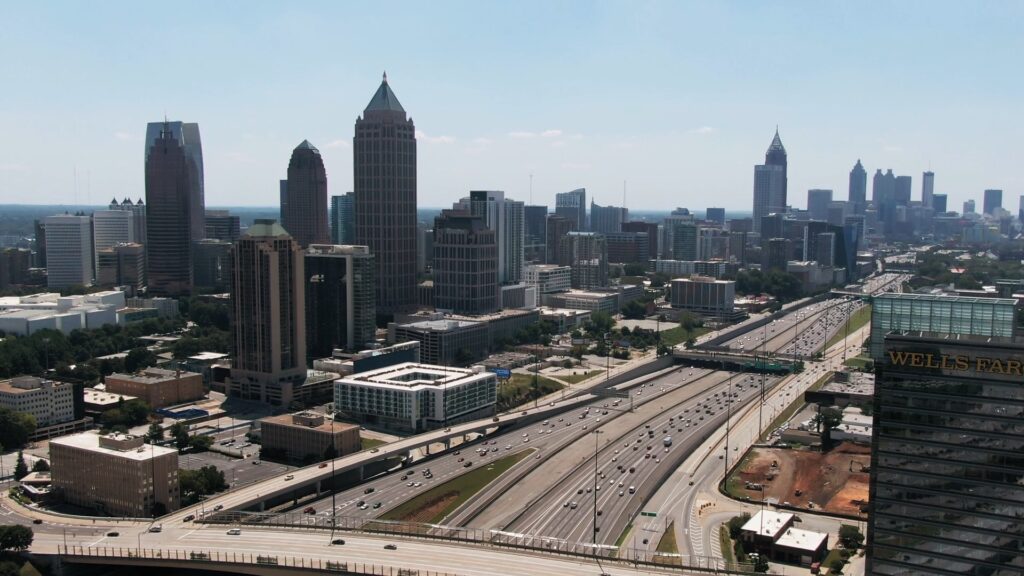
Moving to Atlanta can be a great idea for many people, depending on their lifestyle, preferences, and career goals. Atlanta has a great deal to offer its residents and it is certainly an area worth considering for a move.
Here are some factors to consider when deciding whether or not to move to Atlanta:
Cost of Living: One of the most important factors to consider when moving to Atlanta is the cost of living. Overall, the cost of living in Atlanta is lower than many other major cities in the United States, such as New York, Los Angeles, or San Francisco. However, certain expenses, such as housing and transportation, can still be relatively high, especially in popular neighborhoods such as Midtown, Buckhead, or Virginia Highland.
Job Opportunities: Atlanta is a major economic hub in the southeastern United States, with a diverse range of industries, including finance, technology, healthcare, media, and in the private security industry such as locksmith services. Some of the top employers in Atlanta include Delta Airlines, Coca-Cola, Home Depot, and UPS. Additionally, Atlanta is home to a growing startup scene, with many incubators and accelerators supporting local entrepreneurs.
Weather: Atlanta has a humid subtropical climate, with hot summers and mild winters. While the warm weather can be a draw for many people, the humidity and occasional thunderstorms can be a downside for others.
Transportation: Atlanta is known for its traffic, and commuting can be a challenge for many residents. However, the city has made significant investments in public transportation in recent years, including expanding the MARTA subway system and adding bike lanes and pedestrian infrastructure. Additionally, many neighborhoods in Atlanta are walkable and bike-friendly, making it easy to get around without a car.
Culture and Entertainment: Atlanta has a rich cultural scene, with many museums, theaters, and music venues, as well as festivals and events throughout the year. Additionally, Atlanta is known for its vibrant food scene, with many restaurants offering Southern cuisine as well as international flavors.
Diversity: Atlanta is a diverse city, with a population that includes people from a variety of ethnic and cultural backgrounds. The city is known for its LGBTQ community, as well as its historically Black neighborhoods such as Sweet Auburn and Vine City.
Overall, moving to Atlanta can be a good idea for many people, especially those who are looking for job opportunities, a lower cost of living compared to other major cities, and a diverse and vibrant culture. There are beautiful nature parks in the surrounding area, plenty of opportunities for dining, and so much more to enjoy. Atlanta, Georgia truly has plenty to offer to those who live there. However, it’s important to consider factors such as the weather, transportation, and specific neighborhoods when making a decision about where to live. By doing your research and exploring different areas of the city, you can find the best fit for your needs and make a smooth transition to life in Atlanta.
How is Real Estate Investing in Atlanta GA?

Real estate investing in Atlanta, GA can be a lucrative and rewarding venture for those who are willing to put in the time and effort. Here are some key factors to consider when investing in Atlanta real estate:
Market Demand: Atlanta is one of the fastest-growing cities in the United States, with a strong demand for housing and commercial properties. The city’s population has grown by over 20% in the last decade, and this trend is expected to continue. Additionally, Atlanta is a major economic hub, with a diverse range of industries and a growing startup scene, which can create opportunities for commercial real estate investment.
Neighborhoods: Atlanta is a diverse city with many different neighborhoods, each with its own character, culture, and real estate market. Some of the most popular neighborhoods for real estate investment include Midtown, Buckhead, Virginia Highland, and Inman Park. Each of these neighborhoods has its own unique features and amenities, which can attract different types of tenants and buyers.
Property Types: Atlanta has a range of property types available for investment, including single-family homes, townhouses, condominiums, and commercial properties such as office buildings, retail centers, and industrial parks. Depending on your goals and expertise, you may choose to specialize in one or more of these property types.
Financing Options: There are many financing options available for real estate investors in Atlanta, including traditional bank loans, private lenders, and crowdfunding platforms. It’s important to do your research and compare rates and terms to find the best financing option for your needs.
Regulations and Taxes: Like any real estate market, Atlanta has its own set of regulations and taxes that investors need to be aware of. For example, Georgia has a state income tax rate of 5.75%, and Atlanta has a 1% sales tax on most goods and services. Additionally, landlords in Atlanta must comply with local regulations regarding tenant rights and property maintenance.
Rental Rates: Rental rates in Atlanta have been steadily increasing over the last few years, with the average rent for a one-bedroom apartment in the city currently around $1,200 per month. This can provide a steady source of income for investors who choose to purchase rental properties in high-demand areas.
Property Appreciation: The Atlanta real estate market has been appreciating steadily over the last few years, with home values in the city increasing by over 9% in 2020 alone. This means that investors who purchase properties in the right neighborhoods can benefit from long-term property appreciation, as well as potential short-term gains through resale.
Strong Economy: Atlanta is home to many major corporations and has a diverse economy, with a strong presence in industries such as finance, technology, and logistics. This can create opportunities for commercial real estate investment, as well as providing a stable economic foundation for the city’s real estate market.
Proximity to Major Transportation Hubs: Atlanta is home to one of the busiest airports in the world and is a major transportation hub for the southeastern United States. This can make it an attractive location for commercial real estate investment, as well as providing easy access to transportation for residents and businesses.
Overall, real estate investing in Atlanta, GA can be a profitable and rewarding venture for those who are willing to do their research, stay up-to-date on market trends, and make strategic investments. By choosing the right neighborhoods, property types, and financing options, and staying compliant with local regulations and taxes, investors can build a strong and successful real estate portfolio in Atlanta. With a growing population, strong economy, and diverse range of properties and industries, Atlanta is a prime location for real estate investment in the United States.