
Posts By admin
The Hottest Zip Codes for Real Estate Investing in Atlanta
As one of the fastest-growing cities in the United States, Atlanta has become a hot spot for real estate investors looking to capitalize on the city’s booming economy and population growth. While there are plenty of great neighborhoods to consider when investing in Atlanta, savvy investors know that the key to success is often finding the right zip codes.
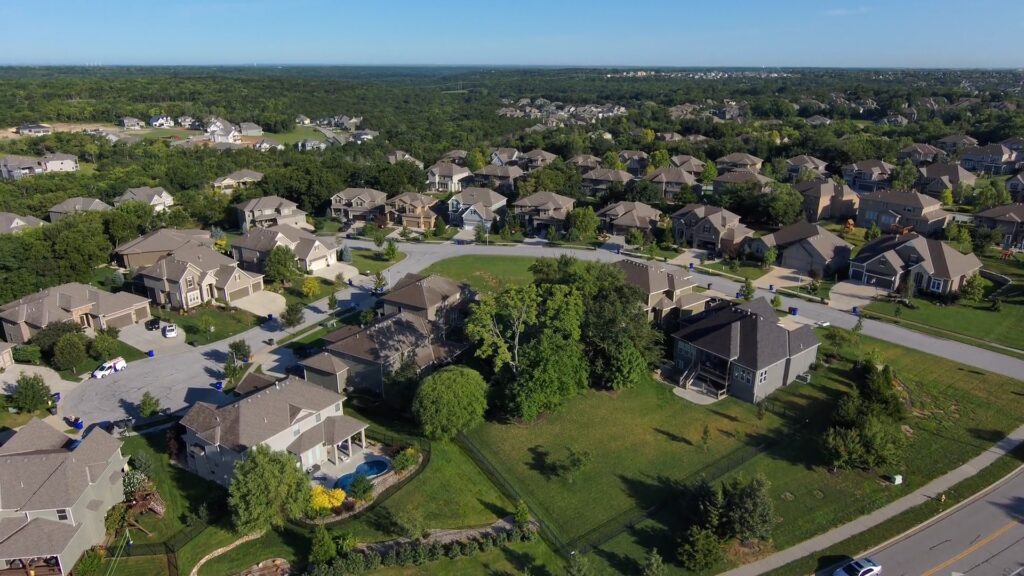
In this article, we’ll take a closer look at some of the hottest zip codes for real estate investing in Atlanta.
30310
Located just a few miles southwest of downtown Atlanta, zip code 30310 has emerged as a top destination for real estate investors in recent years. The area is home to a diverse mix of historic homes and new construction properties, making it attractive to a range of buyers and renters. Thanks to its proximity to popular neighborhoods like West End and Cascade Heights, 30310 has seen a surge in demand in recent years.
30315
Another up-and-coming zip code to watch in Atlanta is 30315, which encompasses parts of the Southside and East Atlanta. The area is home to several large-scale development projects, including the mixed-use Southside Works project, which is set to include office space, retail, and residential units. With its close proximity to downtown and easy access to major highways, 30315 is poised for growth in the coming years.
30318
If you’re looking for a zip code with a mix of investment opportunities, 30318 is a great place to start. This area encompasses parts of popular neighborhoods like Buckhead, West Midtown, and Atlantic Station, and is home to a wide variety of properties ranging from luxury high-rises to fixer-upper bungalows. With its central location and diverse real estate market, 30318 is a great choice for investors looking for a mix of stability and potential for growth.
30331
Located in the southwestern part of the city, zip code 30331 is another hot spot for real estate investing in Atlanta. The area has a mix of residential and commercial properties, and is home to several large employers like the Delta Air Lines headquarters and the Camp Creek Marketplace shopping center. With its growing population and strong job market, 30331 is a great choice for investors looking to build long-term wealth through real estate.
30342
Finally, if you’re looking for a zip code with a more affluent population and a strong luxury real estate market, 30342 is worth considering. This area encompasses parts of Buckhead and Sandy Springs, and is home to some of the city’s most exclusive neighborhoods and properties. With its high-end shopping and dining options, top-rated schools, and easy access to major highways, 30342 is a great choice for investors looking to target high-net-worth buyers and renters.
No matter which zip codes you decide to target when investing in Atlanta real estate, it’s important to do your research and work with experienced professionals who can help you navigate the local market. By staying up-to-date on trends and keeping an eye on key metrics like population growth and job creation, you can position yourself for success in this exciting and dynamic market.
How to Benefit from the Future Growth of Atlanta’s Real Estate Market
Atlanta’s real estate market has been growing steadily over the years, and projections suggest that this trend will continue for the foreseeable future. With this in mind, there’s no better time to invest in Atlanta real estate than now. In this article, we’ll explore some strategies for benefiting from the future growth of Atlanta’s real estate market.
Research the Market
Before you invest in Atlanta real estate, it’s crucial to do your research. This means studying the current trends and projections for the market, analyzing the local economy and job market, and understanding the supply and demand dynamics of different neighborhoods and property types. By taking the time to understand the market, you’ll be able to make more informed investment decisions that are more likely to yield profitable returns in the long run.
Focus On Growth Areas
While Atlanta as a whole is experiencing growth, certain neighborhoods and areas are poised for even greater growth in the future. These are the areas where you should focus your investment efforts. Look for neighborhoods that are experiencing population growth, new developments, and job growth, as these are all indicators of a thriving real estate market. It’s also important to consider factors like school districts, public transportation, and access to amenities like shopping, dining, and entertainment, as these can all impact property values.

Diversify Your Portfolio
One way to benefit from the growth of Atlanta’s real estate market is to diversify your portfolio. This means investing in different types of properties, such as single-family homes, multi-family buildings, and commercial properties. By diversifying your portfolio, you can spread your risk and capitalize on different aspects of the real estate market. For example, if the residential market slows down, you may still be able to generate income from your commercial properties.
Consider Long-Term Investments
Investing in Atlanta real estate is not a get-rich-quick scheme. Rather, it’s a long-term investment that requires patience, persistence, and a commitment to building a portfolio of profitable properties over time. This means that you should focus on properties that are likely to appreciate in value over time, rather than trying to flip properties for a quick profit. By taking a long-term approach, you can build a sustainable real estate portfolio that generates consistent cash flow and provides a solid return on investment over time.
Leverage Technology
Technology is playing an increasingly important role in the real estate market, and savvy investors are leveraging these tools to gain a competitive edge. For example, you can use online real estate platforms to find and analyze properties, connect with buyers and sellers, and manage your portfolio. You can also use technology to automate your property management tasks, such as rent collection and maintenance requests. By using technology to streamline your real estate investment process, you can save time, reduce costs, and make more informed investment decisions.
Work With a Real Estate Professional
One of the best ways to benefit from the growth of Atlanta’s real estate market is to work with a real estate professional. A knowledgeable real estate agent or broker can help you navigate the market, identify promising properties, negotiate deals, and manage your portfolio. They can also provide valuable insights into the local market and connect you with other professionals, such as attorneys and accountants, who can help you navigate the legal and financial aspects of real estate investing.
Investing in Atlanta real estate is a smart move for anyone looking to benefit from the future growth of the market. By doing your research, focusing on growth areas, diversifying your portfolio, taking a long-term approach, leveraging technology, and working with a real estate professional, you can maximize your chances of success and build a profitable real estate portfolio over time.
Understanding the Latest Trends in Atlanta Real Estate Investment
Atlanta, Georgia is a rapidly growing metropolitan area that has been attracting real estate investors from across the country for many years. With a strong economy, growing population, and diverse real estate market, Atlanta offers a variety of investment opportunities for investors of all levels. In this article, we’ll explore the latest trends in Atlanta real estate investment, and what they mean for investors looking to get involved in this dynamic market.

Trend #1: Low Inventory, High Demand
One of the most significant trends in the Atlanta real estate market is the current state of inventory. According to recent data from the Atlanta Realtors Association, the supply of homes for sale in Atlanta is at an all-time low, while demand remains high. This trend is driving up home prices and making it more difficult for buyers to find the right property.
For investors, this trend presents both challenges and opportunities. On the one hand, it may be more challenging to find the right property at a reasonable price. On the other hand, it also means that rental demand is high, and rental rates are increasing, making it an attractive time to invest in rental properties.
Trend #2: Strong Appreciation Rates
Another trend in the Atlanta real estate market is the strong appreciation rates seen over the past few years. According to Zillow, the median home value in Atlanta has increased by over 12% in the past year alone. This trend is being driven by a combination of factors, including low inventory, high demand, and a growing economy.
For investors, this trend means that there is potential for significant returns on investment, particularly for those who purchase properties in up-and-coming neighborhoods. However, it’s important to keep in mind that the real estate market can be cyclical, and appreciation rates may not continue at the same pace indefinitely.
Trend #3: Increasing Interest Rates
One trend that may have an impact on real estate investors in Atlanta is the rising interest rates seen in recent months. The Federal Reserve has raised interest rates several times in the past year, with more increases expected in the coming months. While interest rates are still relatively low by historical standards, they are higher than they have been in recent years.
For investors, rising interest rates mean that financing costs will increase, making it more expensive to borrow money to purchase investment properties. However, it’s important to keep in mind that interest rates are still low overall, and Atlanta’s strong real estate market may offset some of these higher costs.
Trend #4: Growth in Commercial Real Estate
While residential real estate is a significant part of the Atlanta market, the city is also seeing strong growth in the commercial real estate sector. According to data from CBRE, Atlanta is among the top markets in the country for office space demand, driven by strong job growth and an increasing number of businesses relocating to the area.
For investors, this trend presents opportunities to invest in commercial properties such as office buildings, retail spaces, and warehouses. While commercial real estate can offer higher returns than residential properties, it also comes with unique risks and challenges. One crucial factor to consider is security—integrating advanced security systems or working with a professional locksmith can help protect commercial properties from theft and unauthorized access, ensuring a safer investment while enhancing property value.
Trend #5: Emphasis on Walkability and Transit
Finally, one trend that is shaping the Atlanta real estate market is the emphasis on walkability and transit-oriented development. As the city continues to grow, there is a push to create more walkable neighborhoods with easy access to public transportation. This trend is being driven by a desire for more sustainable and environmentally friendly living, as well as the need to ease traffic congestion in the city.
For investors, this trend presents opportunities to invest in properties located in walkable neighborhoods with easy access to public transportation. These properties may be more attractive to renters and may appreciate at a faster rate than properties in less desirable areas.
Understanding the latest trends in Atlanta real estate investment is essential for anyone looking to invest in the city’s thriving real estate market. By staying up to date on these trends and identifying opportunities that align with your investment strategy, you can make informed decisions and potentially earn significant returns on your investments. Whether you’re looking to invest in rental
Top 5 Neighborhoods for Real Estate Investment in Atlanta
Atlanta is a city with a rich history and diverse culture, and it’s also a great place to invest in real estate. With a booming economy and a growing population, Atlanta has become an attractive destination for real estate investors. If you’re considering investing in Atlanta’s real estate market, here are the top five neighborhoods to consider:
Buckhead
Buckhead is one of the most affluent neighborhoods in Atlanta, and it’s a popular destination for both tourists and locals. It’s known for its high-end shopping, fine dining, and luxury hotels. Buckhead is also home to some of the most prestigious private schools in the city, making it a desirable location for families. In terms of real estate, Buckhead is known for its luxurious single-family homes, high-rise condos, and townhouses. The median home value in Buckhead is around $800,000, making it one of the most expensive neighborhoods in the city. However, the high property values in Buckhead make it a great place to invest in real estate.

Midtown
Midtown is one of the most vibrant and diverse neighborhoods in Atlanta. It’s home to the city’s arts district, which includes the High Museum of Art, the Woodruff Arts Center, and the Fox Theatre. Midtown is also home to some of the city’s most popular restaurants and nightlife destinations. In terms of real estate, Midtown has a mix of high-rise condos, townhouses, and single-family homes. The median home value in Midtown is around $500,000, making it a more affordable option than Buckhead.
Virginia-Highland
Virginia-Highland is a charming neighborhood located just east of Midtown. It’s known for its tree-lined streets, historic homes, and eclectic mix of shops and restaurants. Virginia-Highland is also home to some of the best public schools in Atlanta, making it a popular destination for families. In terms of real estate, Virginia-Highland has a mix of historic single-family homes and newer condos and townhouses. The median home value in Virginia-Highland is around $650,000.
West End
West End is a historic neighborhood located just southwest of downtown Atlanta. It’s known for its beautiful Victorian homes, tree-lined streets, and close proximity to the city’s major attractions. West End is also home to the Atlanta University Center, which includes four historically black colleges and universities. In terms of real estate, West End has a mix of historic single-family homes and newer condos and townhouses. The median home value in West End is around $250,000, making it a more affordable option than some of the other neighborhoods on this list.
Old Fourth Ward
Old Fourth Ward is a neighborhood located just east of downtown Atlanta. It’s known for its historic homes, trendy restaurants, and nightlife destinations. Old Fourth Ward is also home to the Atlanta Beltline, a network of parks, trails, and transit that connects some of the city’s most popular neighborhoods. In terms of real estate, Old Fourth Ward has a mix of historic single-family homes, new condos and townhouses, and apartment buildings. The median home value in Old Fourth Ward is around $500,000.
Atlanta is a great place to invest in real estate, and these five neighborhoods are some of the best places to start. Whether you’re looking for luxury homes, affordable options, or a mix of both, Atlanta has something for everyone. By doing your research and working with a trusted real estate agent, you can find the perfect investment property in Atlanta.
Navigating Atlanta’s Real Estate Market: Tips for First-Time Investors
Atlanta’s real estate market is one of the most lucrative investment opportunities in the country. As one of the fastest-growing cities in the United States, Atlanta offers a diverse range of real estate investment opportunities, from residential properties to commercial buildings. However, as a first-time investor, navigating the market can be daunting. Here are some tips to help you navigate Atlanta’s real estate market and make informed investment decisions.
Research the Market
Before investing in any real estate property, it’s important to conduct thorough market research. This involves gathering data on the current trends, average home prices, and rental rates in different neighborhoods. Understanding the market conditions will help you identify areas that are more likely to yield a high return on investment (ROI) and avoid those with a higher risk of losing money.
Work with a Local Real Estate Agent
Working with a local real estate agent can be an invaluable resource when navigating Atlanta’s real estate market. A knowledgeable agent will have access to up-to-date market data and can help you find properties that meet your investment goals. They can also offer insights into different neighborhoods and help you identify areas that have a high potential for appreciation.

Determine Your Investment Goals
Before investing in any property, it’s important to determine your investment goals. This involves assessing your financial situation, determining your risk tolerance, and identifying the types of properties that align with your investment strategy. Are you looking for a long-term rental property or a fix-and-flip investment? Understanding your investment goals will help you narrow down your options and make informed investment decisions.
Obtain Financing
Obtaining financing for a real estate investment can be challenging, particularly for first-time investors. Traditional banks and lenders typically require a substantial down payment and a good credit score. Consider alternative financing options, such as private lenders, crowdfunding, or hard money loans. These options often have less stringent requirements and can provide quicker access to capital.
Conduct a Thorough Property Inspection
Once you’ve identified a property that meets your investment goals, it’s important to conduct a thorough property inspection. This involves hiring a professional inspector to assess the property’s condition and identify any potential issues, including the functionality and adequacy of the existing security system. Ensuring the property has a reliable security system not only protects your investment but can also be a strong selling point for future tenants or buyers. A thorough inspection can help you avoid unexpected repairs and expenses down the line.
Build a Reliable Team
Real estate investing is a team sport. It’s important to build a team of professionals who can help you navigate the complexities of the market. This includes a real estate agent, a property manager, a contractor, and an accountant or financial advisor. A reliable team can help you identify investment opportunities, manage your properties, and ensure that you are making informed financial decisions.
Stay Up-to-Date with Market Trends
The real estate market is constantly evolving. It’s important to stay up-to-date with current market trends, regulatory changes, and economic indicators that may impact your investment decisions. Subscribe to local real estate publications, attend industry conferences, and network with other real estate investors to stay informed and ahead of the curve.
Investing in Atlanta’s real estate market can be a lucrative opportunity for first-time investors. However, it’s important to conduct thorough research, work with a local real estate agent, determine your investment goals, obtain financing, conduct a thorough property inspection, build a reliable team, and stay up-to-date with market trends. By following these tips, you can navigate Atlanta’s real estate market with confidence and make informed investment decisions.
How to Finance Your Real Estate Investment in Atlanta

Investing in real estate is one of the most lucrative investment opportunities in Atlanta, but it requires a significant amount of capital. If you don’t have the funds to finance your real estate investment, there are several financing options you can explore. In this article, we’ll explore some of the financing options available to investors looking to invest in the Atlanta real estate market.
Conventional Loans
One of the most common ways to finance your real estate investment in Atlanta is through a conventional loan. A conventional loan is a type of mortgage that is not backed by the government, such as the Federal Housing Administration (FHA) or the Department of Veterans Affairs (VA). Instead, conventional loans are provided by private lenders, such as banks and credit unions.
To qualify for a conventional loan, you’ll need to have a good credit score, typically 620 or higher, and a down payment of at least 20%. Conventional loans have a fixed interest rate and a fixed repayment term, typically between 15 and 30 years.
Hard Money Loans
Another financing option available to real estate investors in Atlanta is hard money loans. Hard money loans are short-term loans provided by private investors or companies, also known as “hard money lenders.” Hard money loans are typically used for real estate investments that need to be financed quickly or cannot qualify for conventional loans.
Hard money loans are secured by the property being purchased and require a down payment of 25% to 30%. They also have higher interest rates, typically between 10% and 15%, and shorter repayment terms, usually between 6 and 12 months.

Home Equity Loans
If you already own a home, you can use a home equity loan to finance your real estate investment in Atlanta. A home equity loan is a type of loan that allows you to borrow against the equity in your home. The equity is the difference between the current value of your home and the amount you still owe on your mortgage.
To qualify for a home equity loan, you’ll need to have a good credit score, typically 620 or higher, and have built up a significant amount of equity in your home. Home equity loans have a fixed interest rate and a fixed repayment term, typically between 10 and 30 years.
Seller Financing
Another financing option available to real estate investors in Atlanta is seller financing. Seller financing is when the seller of the property provides financing to the buyer instead of a traditional lender. This type of financing is typically used when the buyer cannot qualify for a conventional loan or needs to finance the property quickly.
Seller financing terms can vary, but they typically have a higher interest rate than conventional loans and a shorter repayment term. The down payment required for seller financing can also vary, but it’s typically between 10% and 20% of the purchase price.
Private Money Lenders
Private money lenders are individuals or companies that provide loans to real estate investors. Private money lenders can be a good financing option for real estate investors who cannot qualify for conventional loans or need to finance their investment quickly.
Private money lenders typically have higher interest rates and shorter repayment terms than conventional loans. They also require a significant down payment, typically between 25% and 30%.
There are several financing options available to real estate investors in Atlanta. Whether you choose a conventional loan, hard money loan, home equity loan, seller financing, or private money lender, it’s important to do your research and compare the terms and interest rates of each option before making a decision. By choosing the right financing option for your real estate investment, you can maximize your returns and achieve your investment goals.
Atlanta Real Estate Investment Trusts (REITs): Pros and Cons
Real estate investment trusts (REITs) offer an excellent way for investors to gain exposure to real estate without actually owning physical property. Atlanta, the capital city of Georgia, has a strong and growing real estate market that attracts many investors. In this article, we’ll look at the pros and cons of investing in Atlanta Real Estate Investment Trusts (REITs) to help you make an informed decision.

Pros of Atlanta REITs:
Diversification: REITs offer investors the ability to diversify their investment portfolios beyond just stocks and bonds. By investing in a REIT, you get exposure to a wide range of properties and real estate assets, which helps to reduce your overall investment risk.
Steady Income: Most REITs generate consistent and steady income for their investors. This is because they are required by law to pay out at least 90% of their taxable income as dividends to shareholders.
Professional Management: REITs are managed by professional real estate managers who have extensive knowledge and experience in the industry. This helps to ensure that the properties are managed efficiently, which can lead to higher returns for investors.
Easy to Buy and Sell: REITs are traded on stock exchanges, making them easy to buy and sell. This provides investors with liquidity, which means that they can easily sell their shares if they need to raise funds quickly.
Cons of Atlanta REITs:
Market Volatility: Like any other investment, REITs are subject to market volatility. The value of your investment can fluctuate based on a variety of factors, including changes in interest rates, the economy, and real estate market trends.
Limited Control: As an investor in a REIT, you have limited control over the management of the properties. This means that you cannot make decisions about how the properties are managed, which can be frustrating for some investors.
High Fees: REITs often charge higher fees than other investment vehicles, such as mutual funds or exchange-traded funds (ETFs). These fees can eat into your returns and reduce the overall profitability of your investment.
Interest Rate Sensitivity: REITs are sensitive to changes in interest rates. If interest rates rise, the cost of borrowing money increases, which can negatively impact the profitability of the properties owned by the REIT.
Investing in Atlanta Real Estate Investment Trusts (REITs) can be a smart way to gain exposure to the real estate market without the hassles of owning and managing physical property. However, it is important to weigh the pros and cons before making any investment decisions. REITs offer investors diversification, steady income, professional management, and ease of buying and selling. On the other hand, they are subject to market volatility, limited control, high fees, and interest rate sensitivity. By understanding these factors, investors can make informed decisions that are right for their financial goals and risk tolerance.
Flipping Houses in Atlanta: A Beginner’s Guide to Real Estate Investment
Flipping houses can be a lucrative investment strategy for those looking to make a quick profit. If you’re new to real estate investment and are considering flipping houses in Atlanta, there are several things you should keep in mind to ensure success. In this beginner’s guide, we’ll walk you through the basics of flipping houses in Atlanta.
Do Your Research
The first step in any real estate investment strategy is to do your research. Before you start looking for properties to flip, take some time to research the Atlanta real estate market. Look for neighborhoods where home values are increasing, and properties are selling quickly. You should also research the current state of the local economy to ensure that there’s demand for the types of properties you’re interested in flipping.
Set a Budget
Once you’ve done your research, it’s time to set a budget. Determine how much you can afford to spend on a property, taking into account the cost of renovations, financing, and any other expenses associated with flipping a house. It’s important to be realistic about your budget and to avoid overextending yourself.
Find a Property
With your budget in place, it’s time to start looking for a property to flip. Consider working with a real estate agent who has experience working with investors, as they can help you find properties that are likely to yield a good return on investment. You can also look for properties on your own, but be prepared to do a lot of legwork.
Renovate the Property
Once you’ve purchased a property, it’s time to renovate it. Depending on the condition of the property, this may involve minor cosmetic upgrades or major structural renovations. It’s important to hire reliable contractors who can complete the work on time and within budget.
Stage the Property
Once renovations are complete, it’s time to stage the property for sale. Staging involves decorating the property to make it more attractive to potential buyers. This may involve renting furniture, hanging artwork, and adding decorative accents to the home.
Sell the Property
With the property staged, it’s time to put it on the market. Work with your real estate agent to price the property appropriately and market it to potential buyers. Be prepared to negotiate with buyers and to work through any issues that arise during the selling process.
Calculate Your Return on Investment
After the property has sold, it’s time to calculate your return on investment. This involves subtracting the cost of the property and renovations from the sale price of the property. If you’ve made a profit, congratulations! If not, take the time to analyze what went wrong and how you can improve your strategy in the future.
Flipping houses in Atlanta can be a rewarding investment strategy for those who are willing to put in the time and effort. By doing your research, setting a budget, finding a property, renovating it, staging it for sale, and calculating your return on investment, you can increase your chances of success. With a little bit of hard work and some savvy investing, you could be on your way to making a profit in the Atlanta real estate market.
What Is a Good Yield on Commercial Property in Atlanta, GA?

Commercial property yield, also known as capitalization rate or cap rate, is an important metric that investors use to evaluate the potential returns of a property. Yield is expressed as a percentage and is calculated by dividing the property’s net operating income (NOI) by its current market value.
In Atlanta, as in most major cities, commercial property yields can vary widely depending on the type of property, its location, and its condition. That being said, a good yield on commercial property in Atlanta GA is typically considered to be in the range of 6% to 10%.
Here are some factors that can impact the yield of a commercial property in Atlanta:
Location
As with residential real estate, location is a key factor in determining the yield of a commercial property. Properties located in prime areas with high demand from tenants will typically have lower vacancy rates and higher rental rates, leading to higher yields.
Tenant Quality
The quality of the tenants occupying a commercial property can also impact its yield. Properties with long-term, stable tenants who have strong financials are more likely to generate consistent rental income and maintain high occupancy rates, resulting in higher yields.
Property Condition
The condition of a commercial property can impact its rental rates and operating expenses, which can in turn affect its yield. Properties that require significant repairs or renovations may have higher operating expenses, reducing the net operating income and lowering the yield.
Property Type
The type of commercial property can also impact its yield. For example, properties with long-term leases, such as office or retail properties, may have more stable rental income and therefore higher yields. In contrast, properties with shorter leases, such as industrial or warehouse properties, may have higher vacancy rates and lower yields.
Market Conditions
Finally, market conditions can also impact the yield of a commercial property in Atlanta. If the local economy is strong and demand for commercial real estate is high, yields may be lower as properties are in higher demand. Conversely, in a weaker economy or market, yields may be higher as properties may be more difficult to lease or sell.
Ultimately, what constitutes a good yield on commercial property in Atlanta GA will depend on the individual investor’s goals, risk tolerance, and investment strategy. Some investors may be willing to accept lower yields in exchange for a property with stable long-term tenants, while others may prefer higher yields on properties with more short-term lease agreements.
When evaluating commercial properties in Atlanta, investors should carefully consider all of the factors that can impact yield, and should also conduct thorough due diligence to ensure that the property is a good fit for their investment goals. Working with a knowledgeable commercial real estate agent or broker can also help investors identify properties with strong potential for yield and navigate the complex process of commercial real estate investing.
What Kind of Money Can I Make Investing in Atlanta Residential Real Estate?

Investing in residential real estate in Atlanta, GA can be a lucrative endeavor for those who have the capital to invest and the expertise to identify promising opportunities. The potential returns on investment can vary depending on a number of factors, including the location, size, and condition of the property, as well as market conditions and trends.
One way to estimate potential returns on investment is to look at rental income. According to Zillow, the median rent in Atlanta as of September 2021 was $1,599 per month. Of course, the actual rental income will depend on a number of factors, including the size and condition of the property, the location, and the demand for rental housing in the area. However, if you were to purchase a property in a desirable area of Atlanta and rent it out at the median rental rate, you could potentially earn around $19,188 in annual rental income.
Another way to make money investing in residential real estate in Atlanta is through appreciation. Over the past decade, Atlanta’s real estate market has been on an upward trajectory, with property values increasing steadily over time. While past performance is not a guarantee of future results, it is reasonable to assume that if you were to purchase a property in Atlanta and hold onto it for several years, you could potentially see a significant increase in value.
Additionally, you may be able to make money through flipping properties. Flipping involves purchasing a property, making improvements or renovations to increase its value, and then selling it for a profit. While flipping can be a risky and challenging undertaking, it can also be a profitable one for those who are able to identify properties with potential and execute the necessary improvements in a cost-effective and efficient manner.
Of course, investing in residential real estate in Atlanta also comes with risks and potential downsides. For example, you may encounter unexpected expenses such as repairs or maintenance costs, or face challenges finding tenants or buyers in a competitive market. Additionally, market conditions can change rapidly, and there is always the risk of a downturn or economic recession that could negatively impact property values.
To mitigate these risks, it is important to approach residential real estate investing in Atlanta with a clear understanding of the market and the potential challenges and opportunities it presents. Working with an experienced real estate agent or broker can be helpful in identifying promising opportunities and navigating the complexities of the local market. Additionally, it is important to do your due diligence and carefully evaluate potential properties before making an investment, taking into account factors such as location, condition, and potential for appreciation or rental income.
Overall, investing in residential real estate in Atlanta, GA can potentially provide a solid return on investment for those who are able to identify promising opportunities and manage their risks effectively. While the potential returns can vary depending on a number of factors, there are many opportunities for those who are willing to put in the time, effort, and capital required to succeed in this competitive market.